Upholstery Cleaning in Your Home: A Practical, Professional Approach to Fresher Furniture
Upholstery cleaning is one of the most overlooked parts of home care, yet it has a major impact on comfort, appearance, and indoor hygiene. Sofas, chairs, dining seats, benches, and other fabric-covered furnishings collect dust, crumbs, oils, pet hair, and everyday grime faster than most people realize. Over time, these hidden layers can affect the look, feel, and even the smell of your living space. That is why upholstery cleaning in your home should not be treated as an occasional luxury. It is an important part of maintaining a healthier, more inviting environment.
Whether you are dealing with a heavily used family sofa, a delicate armchair, or a full set of office seating, professional upholstery cleaning can make a noticeable difference. The right cleaning methods can revive color, improve texture, and remove contaminants that regular vacuuming cannot reach. If you have been searching for ways to extend the life of your furniture, reduce allergens, and restore a fresh feel to your rooms, understanding upholstery cleaning is the right place to start.
In this article, we will explore how upholstery cleaning works, why it matters, what methods are commonly used, and how to keep furniture looking its best between cleanings. Along the way, we will also cover practical tips, common mistakes, and the benefits of hiring experts when deep cleaning is needed.
Why Upholstery Cleaning Matters More Than You Think

Many homeowners focus on visible surfaces such as floors, windows, and countertops, while furniture fabric is left to handle daily wear in silence. Upholstery acts like a filter, trapping airborne dust, pet dander, pollen, skin cells, and particles from food or outdoor clothing. As a result, regular upholstery cleaning is not only about appearance; it is also about reducing buildup that can affect indoor air quality.
Another important reason for upholstery cleaning is comfort. When fabric becomes embedded with dirt and oils, it can feel rough, look dull, and even begin to smell stale. Routine care helps preserve softness, freshness, and the original appearance of your furniture. Clean upholstery instantly makes a room feel more polished and welcoming.
There is also a financial benefit. Replacing a sofa, loveseat, or upholstered chair can be expensive, especially if the piece is well-made. Proper upholstery cleaning helps extend the lifespan of your furniture by preventing premature wear, reducing fabric breakdown, and minimizing the need for costly replacement.
Understanding Different Upholstery Materials

Not all upholstery is created equal. The fabric, weave, padding, and construction determine how a piece should be cleaned. This is why upholstery cleaning requires more than a one-size-fits-all approach. A cleaning method that works well on synthetic microfiber may damage a silk-blend fabric or a vintage chair with delicate fibers.
Common upholstery materials include cotton, linen, wool, polyester, nylon, microfiber, leather, and blends. Each material responds differently to moisture, heat, and cleaning solutions. Professional upholstery cleaning services typically inspect the fabric type before choosing a suitable treatment, helping avoid shrinkage, discoloration, or texture changes.
Before any cleaning begins, it is useful to check the manufacturer’s label if available. Many furniture tags include cleaning codes such as W, S, WS, or X. These codes indicate whether water-based cleaners, solvent cleaners, or only vacuuming should be used. Reading this label first can prevent serious damage.
Common Cleaning Codes
- W - Water-based cleaner only
- S - Solvent-based cleaner only
- WS - Either water-based or solvent-based cleaner
- X - Vacuum only; no liquids
Signs Your Furniture Needs Upholstery Cleaning
Sometimes furniture looks clean at a glance, but closer inspection reveals dirt buildup that has been there for months. Upholstery cleaning becomes necessary when stains appear, odors linger, or the fabric starts to feel sticky or grimy. Even if no obvious marks are visible, sofas and chairs can still hold significant hidden contamination.
One of the easiest signs to notice is discoloration. High-contact areas such as armrests, seat cushions, and headrests often darken from body oils and daily use. Another clue is odor. If your furniture still smells dusty, musty, or like pets even after routine cleaning, deep upholstery cleaning may be required.
Allergy symptoms can also point to the need for furniture cleaning. If sneezing, itchy eyes, or congestion seem worse when you are near upholstered items, trapped allergens may be contributing. In homes with children or pets, upholstery cleaning should be part of a regular maintenance routine rather than an emergency response.
Typical warning signs include:
- Visible stains or spots
- Flattened or greasy-looking fabric
- Lingering odors
- Pet hair embedded in the weave
- Dust clouds when cushions are moved
- Increased allergy discomfort
How Professional Upholstery Cleaning Works

Professional upholstery cleaning usually begins with a detailed inspection. The technician identifies the fabric type, checks for stains, looks for worn areas, and determines which method will be safest and most effective. This step is essential because different fabrics require different levels of moisture and agitation.
Next comes pre-treatment. Stains, heavily soiled areas, and high-contact zones are treated with suitable solutions to loosen dirt and grime. This helps improve overall results and prevents excessive scrubbing. In many cases, a professional will also vacuum the item thoroughly to remove loose dust, hair, and debris before applying any liquid treatment.
After pre-treatment, the upholstery cleaning process may involve hot water extraction, low-moisture cleaning, dry cleaning, foam cleaning, or specialty spot treatment. The chosen method depends on the material, soil level, and drying requirements. Once the cleaning is complete, the item is inspected again to ensure consistent results and reduce the chance of residue being left behind.
Popular Upholstery Cleaning Methods
- Hot water extraction: Deep cleaning using water and cleaning solution, then extraction of moisture and dirt.
- Dry cleaning: Uses minimal moisture and special solvents for delicate fabrics.
- Foam cleaning: Applies foam to lift dirt without over-wetting fabric.
- Encapsulation: Uses polymers that trap dirt for easier removal after drying.
- Spot treatment: Targets stains with fabric-safe products for localized cleaning.
Benefits of Regular Upholstery Cleaning
Regular upholstery cleaning offers a range of practical and visual benefits. One of the biggest advantages is improved hygiene. Fabrics can hold dust, bacteria, allergens, and odors, so cleaning them on a schedule helps create a cleaner living or working environment. This is especially valuable in homes with children, pets, or frequent guests.
Another benefit is appearance. Fresh upholstery can transform the whole feel of a room. Even if the rest of the space is tidy, dirty furniture can make everything look older and less cared for. By restoring brightness and removing stubborn marks, upholstery cleaning helps furniture look more appealing and well-maintained.
Long-term fabric preservation is also a major advantage. Dirt and grit act like abrasive particles, slowly wearing down fibers every time someone sits down or leans back. Regular upholstery cleaning reduces this wear, helping preserve the strength and texture of the material for longer. This means better value from every upholstered piece you own.
Additional benefits include:
- Reduced allergens in the home
- Better indoor freshness
- Improved comfort and softness
- Longer furniture lifespan
- Better stain prevention over time
- A more polished interior appearance
DIY Upholstery Cleaning vs. Professional Service
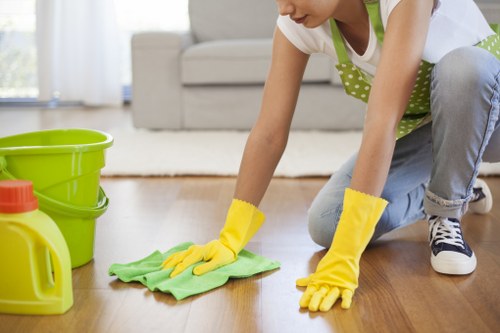
Some light upholstery cleaning can be handled at home, especially when you are dealing with dust or a small fresh spill. Vacuuming, using fabric-safe spot cleaners, and blotting stains quickly can help reduce damage. However, home methods have limits. If too much water is used, if the wrong product is chosen, or if scrubbing is too aggressive, the fabric may be damaged instead of cleaned.
Professional upholstery cleaning offers a more controlled and thorough solution. Experts have access to industrial-grade equipment, fabric-specific solutions, and the experience needed to address different contamination levels safely. They also understand how to handle delicate, antique, or high-value furniture that requires extra care. In many cases, hiring a professional saves time and reduces the risk of making stains worse.
A balanced approach often works best. Light maintenance can be done at home, while deeper cleaning should be scheduled professionally from time to time. That combination helps keep upholstery in top condition without overexposing fabrics to harsh or risky treatment methods.
When DIY may be enough
- Minor dust or surface dirt
- Fresh liquid spills caught immediately
- Light pet hair removal
- Routine maintenance between deeper services
When to call a professional
- Old or set-in stains
- Delicate or expensive fabrics
- Persistent odors
- Heavy soil buildup
- Water-sensitive materials
Upholstery Cleaning for Homes with Pets and Children
Homes with pets and children often need upholstery cleaning more frequently because furniture is exposed to more spills, fur, dirt, and everyday activity. Dogs and cats shed hair and dander, while children may leave behind crumbs, juice, craft materials, and general mess. These issues can settle into fabric quickly, especially on sofas and dining chairs.
For pet owners, upholstery cleaning is especially valuable because it can reduce odors and remove embedded hair from deep within the weave. For families with kids, it helps lift sticky residue, snack stains, and bacteria that may collect in high-use areas. A clean sofa or chair is not just more attractive; it is also more pleasant and practical for daily life.
Preventive care matters too. Using washable throws, cleaning spills right away, and vacuuming furniture weekly can make a big difference. Still, even the best at-home routine cannot replace a proper deep upholstery cleaning when buildup becomes visible or odors begin to linger.
Family-friendly maintenance tips:
- Vacuum cushions and crevices weekly
- Blot spills immediately instead of rubbing
- Rotate cushions to even out wear
- Use fabric protectors if appropriate
- Schedule deep cleaning regularly
How Often Should Upholstery Be Cleaned?
The ideal cleaning schedule depends on how the furniture is used, the type of fabric, and whether children or pets are present. In many homes, upholstery cleaning is recommended every 12 to 24 months. However, high-traffic furniture may benefit from more frequent attention, especially if it is used daily by several people.
For example, a rarely used guest room chair may only need occasional cleaning, while a family sofa in the main living room may need professional upholstery cleaning once or twice a year. Office seating, waiting-room furniture, and commercial lounge chairs may require even more frequent maintenance due to constant use.
Frequency should always be based on actual use, not just a calendar date. If stains, odors, or dust buildup appear sooner, it is better to schedule cleaning earlier rather than wait for the next routine interval.
Suggested frequency by situation
- Low-use furniture: Every 18 to 24 months
- Average household furniture: Every 12 to 18 months
- High-use or family furniture: Every 6 to 12 months
- Pet-friendly homes: Every 6 to 12 months or as needed
- Commercial upholstery: Based on traffic and visible wear
Common Upholstery Cleaning Mistakes to Avoid
Many furniture problems begin with well-intentioned but incorrect cleaning efforts. One of the most common mistakes is over-wetting the fabric. Too much moisture can seep into the cushions, leading to slow drying, unpleasant smells, or even mold growth. Another common error is using the wrong cleaner, which can cause staining, fading, or fabric distortion.
Scrubbing aggressively is also risky. Instead of lifting a stain, hard rubbing can spread it further and damage fibers. It is usually better to blot gently and use a method suited to the material. Similarly, skipping the spot test is a mistake that can turn a small cleaning job into a much bigger problem.
Finally, many people forget about drying. Upholstery cleaning does not end when the visible dirt is gone. Proper airflow and drying time are essential to prevent lingering moisture. If you want the best possible outcome, work carefully and treat the fabric with patience.
Avoid these mistakes:
- Using too much water
- Applying harsh chemicals
- Scrubbing stains too hard
- Skipping fabric tests
- Ignoring the manufacturer label
- Leaving furniture damp for too long
How to Maintain Clean Upholstery Between Deep Cleanings
Good maintenance can significantly reduce how often deep upholstery cleaning is needed. Vacuuming furniture regularly removes dust, crumbs, and pet hair before they settle into the fibers. Using a soft brush attachment helps protect delicate fabrics while still lifting debris from seams, corners, and tufted areas.
Quick action on spills is another important habit. The longer a stain sits, the more likely it is to bond with the fabric. Blotting gently with a clean cloth can prevent the spill from spreading. For extra protection, consider using removable covers, throws, or fabric protectors where appropriate.
It is also wise to keep furniture out of direct, prolonged sunlight when possible, since UV exposure can fade upholstery over time. Rotating cushions and repositioning pieces occasionally can help reduce uneven wear. These small steps support the results of professional upholstery cleaning and help furniture stay attractive for longer.
Smart maintenance habits
- Vacuum weekly
- Blot spills immediately
- Rotate cushions regularly
- Use washable covers on high-use furniture
- Keep food and drinks away from fabric when possible
- Schedule periodic professional cleaning
Choosing the Right Upholstery Cleaning Service
When selecting a cleaning provider, look for experience, fabric knowledge, and a clear process. A reliable upholstery cleaning service should be able to explain how they assess materials, which methods they use, and what results you can expect. They should also be transparent about drying times, stain risks, and any limitations tied to the fabric.
It is helpful to choose a service that treats your furniture with care rather than rushing the job. Proper upholstery cleaning is detailed work. A good provider will inspect the item, test products when needed, and use the safest method possible for the fabric. If you have specialty pieces such as leather seating, vintage chairs, or designer furniture, make sure the provider has relevant experience.
Before booking, ask whether the service includes pre-inspection, spot treatment, deodorizing, and fabric protection options. A skilled team can tailor the cleaning to your furniture’s needs and help you get the best possible result. Book your service now if your furniture is already showing visible wear, odors, or stains.
What to look for in a provider
- Experience with multiple upholstery types
- Safe, fabric-appropriate methods
- Clear communication about the process
- Attention to stain removal and drying
- Flexible service for residential or commercial needs
Final Thoughts on Upholstery Cleaning
Upholstery cleaning is one of the most effective ways to refresh your home, improve comfort, and protect your furniture investment. From removing dust and allergens to restoring color and texture, the benefits go far beyond appearances. Clean upholstery supports a healthier environment and helps every room feel more inviting.
Whether you handle light maintenance yourself or rely on professionals for deeper treatment, consistency is the key. The more regularly you care for your furniture, the better it will look and perform over time. If your sofa, chairs, or other upholstered items are due for attention, now is the ideal time to act. Contact us today and take the next step toward cleaner, fresher furniture.
With the right approach, upholstery cleaning can keep your home looking polished, feeling comfortable, and smelling fresh all year long.