Communal Area Cleaning: Creating Safer, Cleaner Shared Spaces
Communal area cleaning is one of the most important parts of keeping shared buildings attractive, hygienic, and comfortable for everyone who uses them. Whether it is an apartment block, office building, student residence, mixed-use property, or housing estate, the condition of shared spaces strongly influences first impressions, health, and overall satisfaction. Effective communal area cleaning supports cleanliness, reduces the spread of germs, helps maintain property value, and creates a more welcoming environment for residents, visitors, staff, and tenants.
In busy shared buildings, surfaces are touched constantly, floors collect debris quickly, and high-traffic areas can become untidy in a short time. That is why communal area cleaning needs more than a quick sweep or occasional wipe-down. It requires a structured approach, the right cleaning products, trained staff, and a consistent schedule. When done properly, shared space cleaning improves the look and feel of a property while helping it operate smoothly.
From entrance halls and staircases to elevators, handrails, mail areas, and corridors, every part of a shared building benefits from regular attention. In this article, we will explore the value of communal area cleaning, the tasks involved, best practices, hygiene considerations, and what to look for in a professional cleaning service. If you manage property or live in a shared building, this topic matters more than you may realize.
Why Communal Area Cleaning Matters
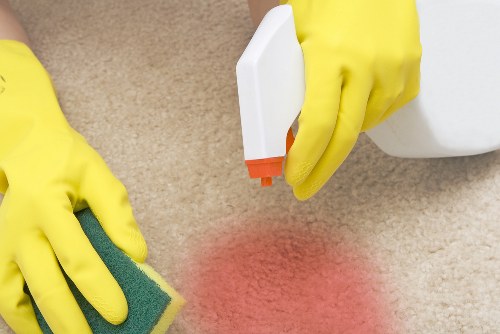
Communal area cleaning plays a central role in building maintenance because shared areas are the spaces everyone sees and uses. A tidy lobby, fresh-smelling hallway, and spotless staircase create an immediate sense of care and order. On the other hand, dusty corners, dirty floors, and overflowing bins can quickly make a property feel neglected. For landlords, property managers, and housing associations, this can affect tenant satisfaction and even retention.
There is also a strong hygiene benefit. Shared spaces are high-contact environments, which means germs can spread easily through door handles, buttons, railings, and other frequently touched surfaces. Routine communal area cleaning helps reduce the buildup of bacteria, viruses, dust, and allergens. This is especially important in buildings with many occupants or frequent visitors.
Well-managed communal area cleaning can also protect the fabric of the building. Dirt and debris, if left for long periods, can wear down flooring, stain surfaces, and damage finishes. Regular maintenance helps preserve materials and can reduce the need for expensive repairs or replacement. In other words, cleanliness is not just about appearance; it is also a smart financial decision.
Key Areas Covered in Communal Area Cleaning
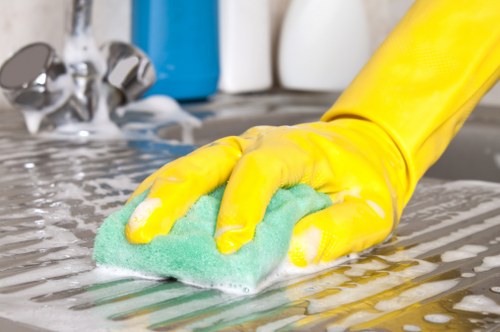
Every building is different, but communal area cleaning usually focuses on the same core zones. These areas experience heavy use and need regular attention to remain presentable and hygienic. A reliable cleaning routine should be tailored to the layout and traffic levels of the property.
Common areas included in shared space cleaning often include:
- Entrance lobbies and reception areas
- Corridors and hallways
- Stairwells and landings
- Elevators and lift interiors
- Handrails, push plates, and door handles
- Mail rooms and parcel areas
- Shared kitchens or break spaces
- Bin stores and waste collection points
- Glass doors, windows, and interior panels
Each of these spaces has unique cleaning needs. For example, stairwells require dust removal and safe floor treatment, while reception areas may need polishing and more frequent touchpoint disinfection. A professional approach to communal area cleaning ensures that no area is overlooked.
What a Professional Communal Area Cleaning Routine Includes
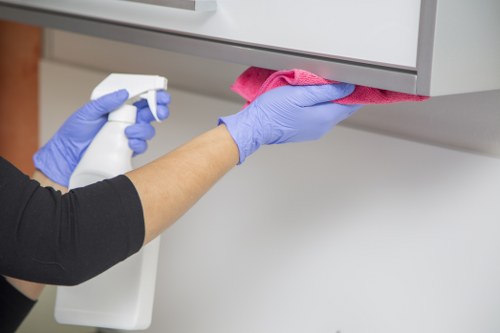
A high-quality communal area cleaning routine usually includes both visible cleaning and preventative maintenance. The goal is not only to make the area look clean but also to keep it sanitary, safe, and functional throughout the day or week. The exact schedule may vary depending on occupancy, but the tasks themselves often follow a consistent pattern.
Typical duties in communal area cleaning include sweeping, mopping, vacuuming, dusting, sanitizing touchpoints, emptying bins, polishing surfaces, and checking for spillages or hazards. Touchpoint cleaning is especially important in shared buildings because it targets the surfaces people touch most often. These can include light switches, intercoms, lift buttons, bannisters, and door handles.
Professional cleaners may also report maintenance issues they notice during their visit, such as broken lights, leaks, damaged fixtures, or safety risks. This added layer of observation makes communal area cleaning more valuable than simple surface cleaning. It becomes part of a broader building care strategy.
Typical daily tasks
- Vacuum carpets and mats
- Sweep and mop hard floors
- Wipe down handrails and door handles
- Empty bins and replace liners
- Remove visible litter
- Spot-clean walls, glass, and entrance surfaces
Consistency is key. A building that receives regular communal area cleaning will usually stay in better condition and require less intensive deep cleaning later on.
Benefits of Regular Shared Space Cleaning
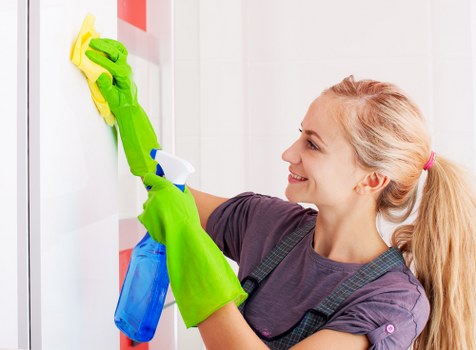
There are many reasons why building owners and managers prioritize communal area cleaning. The benefits go far beyond appearance. A well-maintained environment can improve daily life for occupants and create a strong sense of pride in the property. This is particularly valuable in residential blocks, where shared areas are part of every resident’s experience.
One major benefit is improved hygiene. Routine cleaning reduces germs and allergens, which helps support healthier indoor environments. Another benefit is better safety. Spilled liquids, loose debris, and clutter can create slip and trip hazards. A regular cleaning schedule helps identify and remove these risks quickly.
Communal area cleaning also supports building reputation. Visitors, prospective tenants, and clients often judge a property by its shared spaces. A clean lobby or corridor signals professionalism and care. For businesses and landlords alike, this can influence perception in a positive way. Clean shared areas also tend to feel brighter, calmer, and more comfortable to use.
Other important advantages include:
- Longer lifespan for floors, carpets, and fixtures
- Reduced odours in bin rooms and corridors
- Better resident and tenant satisfaction
- Fewer complaints about cleanliness
- Improved compliance with hygiene expectations
When communal area cleaning is handled well, the whole property benefits. It becomes easier to manage, more pleasant to occupy, and more cost-effective to maintain over time.
How Often Should Communal Area Cleaning Be Carried Out?

The ideal frequency for communal area cleaning depends on several factors, including the size of the building, number of occupants, type of use, and level of foot traffic. A busy city apartment block may need daily cleaning, while a smaller residential property may only require cleaning several times a week. Offices, student accommodation, and mixed-use sites often require a more frequent schedule due to heavy use.
High-traffic areas such as entrances, elevators, and main corridors usually need the most attention. Bin areas and kitchens may also need additional cleaning because they are more likely to develop odours or hygiene problems. In contrast, less-used areas may only need weekly or fortnightly care. The best approach is to build a schedule based on actual usage rather than guesswork.
A tailored communal area cleaning plan is more effective than a one-size-fits-all routine. Professional cleaners often assess the property first and then recommend a frequency that matches the demands of the building. This helps ensure that resources are used efficiently while still maintaining high standards.
Factors that affect cleaning frequency
- Number of residents, staff, or visitors
- Size and layout of the property
- Type of flooring and surfaces
- Seasonal dirt, rain, and debris
- Presence of pets, children, or deliveries
- Special hygiene needs or local regulations
Ultimately, communal area cleaning should be proactive rather than reactive. Waiting until a space looks dirty often means the property is already falling behind on hygiene and presentation.
Best Practices for Effective Communal Area Cleaning
To get the best results from communal area cleaning, it helps to follow a few proven best practices. These ensure that the work is thorough, efficient, and consistent. One of the most important factors is using the right equipment for the space. Microfibre cloths, HEPA-filter vacuums, floor-safe mops, and suitable disinfectants all make a significant difference.
Another best practice is working from top to bottom. Dust and debris should be removed from higher surfaces before floors are cleaned. This prevents recontamination and saves time. Cleaners should also pay attention to touchpoints because these areas can quickly spread dirt and germs if neglected. High-touch surfaces deserve special attention in any shared space cleaning routine.
Communication is also important. Building managers should know what is being cleaned, when it is being cleaned, and what issues have been identified. A clear cleaning checklist helps create accountability and ensures nothing is missed. If residents or occupants notice a problem, it should be reported and addressed quickly.
Some additional best practices include:
- Use colour-coded cleaning tools to reduce cross-contamination
- Choose cleaning products suitable for each surface
- Open windows or ventilate the area when possible
- Keep a log of completed tasks and observations
- Schedule deeper cleaning periodically for carpets, upholstery, and hard floors
These steps help make communal area cleaning more efficient and more reliable, especially in larger or busier buildings.
Training and professionalism
Even the best equipment cannot replace trained staff. Cleaners should understand safe chemical use, proper hygiene procedures, and the specific needs of communal environments. Professionalism matters because shared spaces are visible to residents and visitors alike. A team that is punctual, discreet, and thorough will help maintain trust and consistency.
Health, Safety, and Hygiene in Shared Buildings
Health and safety should always be central to communal area cleaning. Shared buildings contain multiple risks, including slippery floors, cluttered entrances, dust buildup, and contaminated touchpoints. The cleaning process should reduce these risks rather than create new ones. That means using non-slip products where needed, placing warning signs during mopping, and making sure walkways remain clear.
Hygiene is another major concern. Germs can spread quickly in communal areas because different people use the same surfaces throughout the day. Regular disinfection of high-contact points helps reduce that risk. This is particularly important during cold and flu seasons or after increased public health concerns. Good hygiene practices can help a property feel safer and more controlled.
Waste management also matters. Overflowing bins, food waste, and uncollected rubbish can lead to unpleasant odours, pest activity, and a poor overall impression. Communal area cleaning should therefore include responsible waste handling and frequent checks of refuse areas. If waste collection is inconsistent, the whole property may suffer.
Safety checks that may be included
- Inspect for wet floors after mopping
- Check for damaged tiles or loose mats
- Monitor stair edges and handrails
- Look for blocked exits or fire routes
- Report lighting problems or broken fixtures
When health and safety are built into communal area cleaning, the property becomes more secure and easier to manage day to day.
Choosing the Right Communal Area Cleaning Service
Selecting the right provider for communal area cleaning can make a noticeable difference in quality and consistency. Not all cleaning services are the same, so it is important to look for a team with experience in shared spaces. Communal environments demand a different approach from private homes because they involve more foot traffic, more expectations, and more varied cleaning challenges.
Look for a provider that offers flexible schedules, detailed checklists, and clear communication. They should understand how to work discreetly in residential or commercial properties without disrupting occupants. It is also helpful if they can adapt their service as the building’s needs change, such as during seasonal weather or periods of increased occupancy.
A dependable communal area cleaning provider should also use appropriate equipment and products, follow safe procedures, and be able to maintain regular service without gaps. Reliability is especially important in buildings where cleanliness affects reputation, comfort, and daily operations.
Questions to consider before hiring
- Do they have experience with communal and shared spaces?
- Can they provide a tailored cleaning schedule?
- Do they cover touchpoint sanitation and waste removal?
- Are they trained in health and safety procedures?
- Can they respond quickly to urgent cleaning needs?
Choosing well can lead to better results, fewer complaints, and a more attractive property overall. If your building needs a higher standard of care, now is the time to act. Book your service now and take the next step toward a cleaner shared environment.
Seasonal Challenges in Communal Area Cleaning
Communal area cleaning is not the same all year round. Seasonal changes can affect the type and amount of dirt that enters a building. In wet or snowy months, entrances and hallways may collect more mud, moisture, and salt. During warmer seasons, dust, pollen, and odours may become more noticeable. A smart cleaning plan should adapt to these changes.
In autumn and winter, matting near entrances becomes especially useful because it helps trap dirt before it spreads through the building. Frequent mopping and floor drying may also be needed to prevent slippery surfaces. In spring and summer, dusting and ventilation can become more important, especially in enclosed corridors or shared rooms.
Seasonal flexibility makes communal area cleaning more effective. It ensures that the building does not simply meet a baseline standard but stays comfortable and well cared for throughout the year. Adaptable cleaning routines are one of the hallmarks of professional property maintenance.
The Long-Term Value of Clean Communal Spaces
Clean communal spaces offer long-term value that extends beyond daily appearance. When shared areas are kept in good condition, the entire property benefits from a stronger sense of order, lower maintenance costs, and improved user experience. People are more likely to respect and care for a building that already looks cared for.
Regular communal area cleaning also helps protect against gradual deterioration. Dirt, grime, and moisture can slowly damage surfaces if left unchecked. Over time, this can lead to stained carpets, dull flooring, marked walls, and unpleasant odours. A structured cleaning routine prevents small issues from becoming expensive problems.
For property managers, this means cleaner communal areas can support occupancy, satisfaction, and asset protection. For residents and users, it means a better daily environment that feels more comfortable and secure. Shared space cleaning is therefore an essential part of responsible property care, not an optional extra.
Final Thoughts on Communal Area Cleaning
Communal area cleaning is about more than appearance. It supports hygiene, safety, building value, and everyday comfort in all kinds of shared environments. From lobbies and stairwells to elevators and bin stores, each area benefits from regular, professional care. When the work is planned properly, it becomes a key part of building management and long-term maintenance.
If you want your property to look its best and function smoothly, make communal area cleaning a priority. Choose a routine that suits the building, use the right methods, and pay attention to high-touch areas and seasonal changes. The result is a cleaner, healthier, and more welcoming place for everyone who passes through.
Need a reliable approach to communal area cleaning? Contact us today and take the next step toward a cleaner shared space. Book your service now and keep your building looking professional every day.