Insurance and Safety
 A strong insurance and safety approach is essential for any organisation that wants to protect people, property, and business continuity. Whether the work involves customer visits, site operations, or routine maintenance, the right safeguards help reduce disruption and support a safer working environment. In practice, this means combining public liability insurance, effective staff training, suitable PPE, and a clear risk assessment process that is reviewed regularly.
Public liability insurance is a key part of a responsible insurance and safety policy. It helps provide financial protection if a third party suffers injury or property damage because of business activity. For example, if a visitor slips on a wet floor or equipment causes accidental damage, public liability cover can help manage the cost of claims. This coverage does not remove the need for prevention, but it adds an important layer of security when unexpected incidents occur.
Alongside insurance, staff training plays a major role in improving workplace safety. Employees who understand hazards are better prepared to act carefully, follow procedures, and respond appropriately when conditions change. Training should cover safe working methods, reporting procedures, emergency actions, and the correct use of equipment. When people are regularly refreshed on these topics, the overall insurance and safety standard improves because fewer avoidable mistakes happen.
 Personal protective equipment, or PPE, is another essential control measure. Depending on the task, this may include helmets, gloves, eye protection, high-visibility clothing, respiratory protection, or safety footwear. PPE should always be selected according to the specific risks involved, not as a substitute for safer working methods. Proper fit, correct use, and routine inspection are all important. If equipment is damaged or worn incorrectly, it may fail when needed most.
A reliable risk assessment process supports every effective insurance and safety system. It begins by identifying hazards, considering who may be harmed, and evaluating how likely and severe the harm could be. From there, suitable controls are introduced, such as barriers, signage, safe systems of work, or additional PPE. Risk assessments should be practical, written clearly, and updated whenever tasks, materials, locations, or equipment change. This process helps businesses stay proactive rather than reactive.
In addition to formal assessments, day-to-day awareness matters. Workers should be encouraged to report spills, faulty tools, missing guards, or unsafe conditions as soon as they are noticed. Good communication supports safer decisions and helps managers respond before a minor concern becomes a serious incident. A well-managed insurance and safety framework depends on everyone understanding their responsibilities and acting promptly when hazards appear.
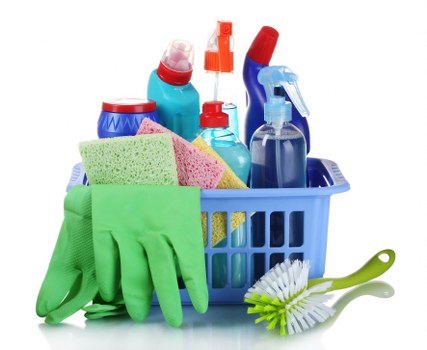 The middle of a safety strategy is often where the strongest habits are built. This is where training, PPE, and risk control come together in practice. A business may have excellent policies on paper, but real protection comes from daily actions: wearing the correct protective equipment, following procedures, and using common sense when conditions are unfamiliar. Strong supervision and clear accountability help maintain these standards across teams and locations.
Documentation is also valuable. Records of training, equipment inspections, incident reports, and updated assessments provide evidence that safety obligations are being addressed. They also help identify patterns, such as repeated near-misses or recurring hazards, which may require additional action. When records are accurate and current, the organisation can make better decisions and demonstrate that its insurance and safety measures are well managed.
Emergency preparedness should not be overlooked. Fire procedures, evacuation plans, first aid arrangements, and reporting lines all contribute to a safer workplace. These measures work best when they are practiced and understood rather than left to memory. Regular drills and reviews help ensure that, if an incident does occur, staff can respond with confidence and control.
 A mature approach to public liability insurance and workplace safety recognises that prevention and protection must work together. Insurance provides reassurance after an incident, while preventive measures reduce the chance of one happening. For this reason, managers should treat training, PPE, and risk reviews as ongoing responsibilities rather than one-time tasks. A living safety culture is far more effective than a static policy file.
Another important factor is matching controls to the real environment. A clean office may require different measures from a busy industrial site or a customer-facing location. The most effective insurance and safety arrangements are tailored to the actual work being carried out. That means considering housekeeping, access routes, visibility, weather conditions, manual handling, and interaction with the public. The more precisely a business understands its risks, the better it can protect people and assets.
 Ultimately, a dependable insurance and safety approach creates confidence for staff, clients, and visitors. Public liability insurance offers financial protection, while staff training, PPE, and the risk assessment process help prevent harm in the first place. Together, these elements form a practical system that supports compliance, reduces disruption, and promotes a safer working culture. With regular review and consistent commitment, businesses can manage risk effectively and operate with greater peace of mind.