Office Cleaning in Modern Workplaces: A Practical Approach to a Healthier, More Productive Office
Office cleaning plays a much bigger role in business success than many people realize. A tidy workspace is not just about appearance; it affects employee health, client impressions, productivity, and even the lifespan of office furniture and equipment. Whether you manage a small startup, a busy corporate floor, or a shared coworking environment, consistent office cleaning helps create a workplace that feels professional, safe, and comfortable. In today’s competitive business environment, companies that prioritize office cleaning often enjoy a cleaner brand image and a more motivated team.
When people search for office cleaning, they are often looking for more than surface-level tidiness. They want a solution that addresses dust, germs, clutter, odors, and high-touch areas while fitting the unique needs of their workplace. That means office cleaning must be organized, reliable, and tailored to the way the business operates. A clean office can reduce sick days, support better focus, and make daily routines smoother for everyone.
There is also a growing awareness of how workplace cleanliness influences employee morale. A fresh-smelling reception area, sanitized desks, spotless restrooms, and polished meeting rooms send a clear message: the business values quality and cares about the people who work there. In this article, we’ll explore what effective office cleaning involves, why it matters, which areas deserve special attention, and how businesses can maintain consistently high standards.
Why Office Cleaning Matters for Every Business
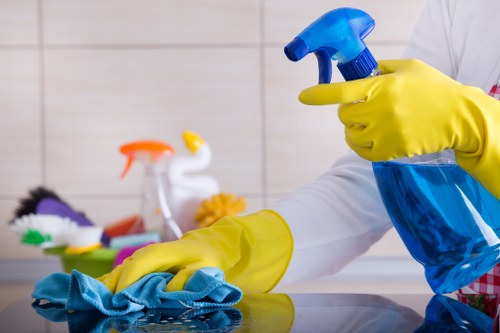
Office cleaning is more than a routine chore; it is a core part of workplace management. A well-cleaned environment supports better health by reducing the spread of bacteria, viruses, and allergens. Shared workstations, keyboards, door handles, and communal kitchens can quickly become breeding grounds for germs if they are not cleaned regularly. Consistent office cleaning helps reduce these risks and contributes to a healthier workspace overall.
Beyond hygiene, office cleaning strongly influences productivity. Employees tend to work better in organized spaces where they can focus without distractions. Dusty desks, overflowing bins, and stained carpets can create a sense of disorder that affects concentration. On the other hand, a clean office can help workers feel more in control of their environment and more ready to perform at their best.
There is also a clear client-facing benefit. Visitors often form opinions within seconds of entering a building. A sparkling reception area, clean flooring, and fresh air communicate professionalism and attention to detail. For businesses that regularly host clients, partners, or candidates, office cleaning becomes part of the brand experience. It reflects how the organization operates in every other area.
The Business Value of Clean Workspaces
Investing in office cleaning may also reduce long-term operating costs. Routine care helps preserve carpets, desks, glass surfaces, and restroom fixtures, which can delay the need for replacements. It also protects electronics and office equipment from dust buildup, which can affect performance over time. In this way, office cleaning serves both aesthetic and practical goals.
Key benefits of consistent office cleaning include:
- Reduced spread of germs and allergens
- Improved staff morale and comfort
- Stronger first impressions for clients and visitors
- Longer lifespan for office surfaces and equipment
- Better organization and workflow efficiency
For businesses that want to maintain a polished and efficient environment, office cleaning should never be treated as an afterthought. It is an essential part of running a professional workplace.
What Professional Office Cleaning Typically Includes

Professional office cleaning covers a wide range of tasks, and the exact service plan usually depends on the size of the office, the number of employees, and the nature of the business. At a basic level, office cleaning includes dusting, vacuuming, sanitizing, trash removal, restroom cleaning, and general surface maintenance. However, many workplaces also need deeper attention in kitchens, conference rooms, entryways, and high-traffic areas.
Every office has different cleaning priorities. For example, a law firm may focus heavily on presentation in client-facing rooms, while a tech company may need careful cleaning around electronics and shared desks. A flexible office cleaning plan ensures that all areas receive the right level of care without interrupting day-to-day operations.
Some businesses prefer daily office cleaning, especially if they have a large staff or receive frequent visitors. Others may schedule cleaning several times a week and add periodic deep cleaning services. The right approach usually depends on usage, industry requirements, and cleanliness standards. No matter the schedule, consistency is key.
Common Office Cleaning Tasks
A well-rounded office cleaning service often includes the following tasks:
- Vacuuming carpets and mopping hard floors
- Dusting desks, shelves, baseboards, and vents
- Cleaning glass doors, mirrors, and interior windows
- Sanitizing high-touch surfaces such as switches and handles
- Emptying trash bins and replacing liners
- Cleaning break rooms, sinks, and counters
- Disinfecting restrooms and replenishing supplies
- Spot-cleaning stains, spills, and smudges
Depending on the workplace, office cleaning may also include upholstery care, carpet shampooing, and specialized disinfection. These additional services can be especially valuable during flu season, after events, or in busy shared offices.
Businesses should also pay attention to the quality of cleaning products used. Many organizations now prefer low-odor, eco-conscious solutions that clean effectively without overwhelming the workspace. This trend supports better indoor air quality and creates a more pleasant environment for employees and visitors alike.
High-Impact Areas That Need Extra Attention

Not every part of an office requires the same cleaning frequency, but certain areas demand special focus because they see heavy use or have a greater hygiene impact. These spaces should be prioritized in any office cleaning strategy. When they are neglected, the entire workplace can feel less clean and less inviting, even if other areas are in good shape.
Reception areas are one of the most important spaces to keep spotless. Visitors often judge the office before they even sit down, so the front desk, waiting area, furniture, and flooring should always look polished. Clean glass, dust-free surfaces, and organized seating create a welcoming first impression that reinforces trust.
Restrooms also require consistent and thorough office cleaning. These are high-traffic spaces where hygiene standards matter greatly. Toilets, sinks, mirrors, dispensers, floors, and door handles all need frequent attention. Restroom cleaning should never be rushed, because a poorly maintained restroom can negatively affect the entire workplace atmosphere.
Areas That Should Never Be Overlooked
Special attention should be given to:
- Reception desks and waiting areas
- Conference rooms and meeting tables
- Break rooms and kitchenettes
- Printer stations and supply areas
- Restrooms and changing areas
- Shared desks and collaborative spaces
- Elevator buttons, handrails, and door handles
Shared kitchens are another hotspot for office cleanliness issues. Food crumbs, spills, and unwashed dishes can attract pests and create unpleasant odors. A proper office cleaning routine should include wiping countertops, cleaning microwaves, sanitizing sinks, and ensuring the refrigerator area stays orderly. When break rooms are clean, employees are more likely to use them respectfully.
Conference rooms deserve regular care as well. These spaces often represent the company in meetings, presentations, and interviews. Clean tables, chairs, screens, and floors help maintain a professional atmosphere. Because meeting rooms are often used intermittently, it is easy for dust and fingerprints to go unnoticed unless office cleaning checks them routinely.
How Office Cleaning Supports Employee Health and Morale
A clean office contributes directly to employee wellness. Dust, mold, bacteria, and allergens can accumulate quickly in enclosed environments, especially where HVAC systems circulate air throughout the building. Proper office cleaning helps control these issues by removing debris, sanitizing surfaces, and keeping problem areas from getting out of hand. This can be especially important for employees with allergies, asthma, or sensitivities to irritants.
There is also a psychological benefit to office cleaning. People naturally feel calmer and more focused in orderly settings. A clean desk area, tidy shared space, and uncluttered corridor can reduce mental noise and make work feel more manageable. When employees do not have to worry about messy surroundings, they can invest more energy in meaningful tasks.
Morale can improve when staff see that their employer takes office cleaning seriously. It sends a subtle but powerful message that the organization values well-being and pays attention to the little things. That kind of workplace culture can contribute to stronger engagement, lower stress, and better retention over time.
Health-Focused Cleaning Practices
To support a healthier environment, office cleaning should emphasize high-touch disinfection, ventilation, and dust control. This means paying close attention to items such as:
- Keyboards and mice
- Phones and shared devices
- Light switches and railings
- Copy machine buttons and printer panels
- Chair arms and tabletops
Regular sanitization is especially valuable in offices with frequent visitors or shared seating arrangements. In these settings, office cleaning can help reduce the chances of cross-contamination and maintain a healthier daily rhythm.
Another important factor is air quality. Dust buildup in vents, filters, and fabric surfaces can affect how fresh a workplace feels. A solid office cleaning routine includes removing dust from surfaces and paying attention to areas that are often hidden from view. Cleaner air and cleaner surfaces work together to support overall well-being.
Creating an Effective Office Cleaning Schedule

An effective office cleaning schedule is built around the way the office is actually used. A small office with limited foot traffic may need a different routine than a busy corporate floor with constant visitors. The goal is to match cleaning frequency with usage so that cleanliness remains stable throughout the week. A thoughtful schedule prevents issues from building up and keeps the space consistently presentable.
Daily office cleaning often focuses on high-priority areas such as trash removal, restroom sanitation, kitchen cleaning, and surface disinfection. Weekly tasks may include deeper dusting, floor care, and glass cleaning. Monthly or quarterly office cleaning may involve carpet extraction, upholstery refreshes, and more detailed maintenance tasks. This layered approach helps keep every part of the office in good condition.
Scheduling should also take business hours into account. Many companies prefer after-hours office cleaning so staff can return to a fresh workspace the next morning. Others may need daytime cleaning in phases for larger facilities. Whatever the timing, communication is important so cleaning teams can work efficiently without causing disruption.
Suggested Office Cleaning Schedule Example
Daily:
- Empty bins and replace liners
- Sanitize high-touch surfaces
- Clean restrooms
- Wipe counters and sinks
- Vacuum entryways and main traffic paths
Weekly:
- Dust furniture and fixtures
- Clean glass and internal windows
- Mop hard floors thoroughly
- Deep-clean break room appliances
- Refresh meeting rooms
Monthly or seasonal:
- Carpet shampooing or extraction
- Upholstery care
- Vent and filter attention
- Detail cleaning of neglected corners
- Specialized disinfection when needed
By organizing office cleaning into a predictable routine, businesses can stay ahead of mess, reduce emergency cleanup needs, and create a calmer environment for employees.
Choosing the Right Office Cleaning Approach
Every business should think carefully about which office cleaning model fits best. Some organizations keep cleaning in-house, while others outsource it to professional providers. Both options can work well, but the decision should be based on budget, staffing, quality expectations, and facility size. The most important factor is not the model itself, but whether the office cleaning standard remains consistently high.
In-house cleaning can offer more direct control, especially for smaller workplaces. Staff may already understand the space and its routines, which can make coordination easier. However, in-house teams may not always have access to the same equipment, training, or specialized products as professional cleaners. For many growing businesses, outsourcing office cleaning creates a more scalable and reliable solution.
Professional office cleaning companies bring expertise, structure, and access to tools that can improve efficiency. They often understand how to clean around delicate electronics, manage high-traffic flooring, and follow sanitation protocols. A professional service can also adapt to changing needs, such as post-event cleanup, seasonal deep cleaning, or enhanced disinfection plans.
What to Consider When Selecting a Cleaning Plan
- Office size and layout
- Number of employees and visitors
- Frequency of use for shared spaces
- Special cleaning requirements
- Budget and scheduling flexibility
- Need for eco-friendly products
It is also wise to look for office cleaning solutions that can evolve with the business. As a company grows, its cleaning needs often become more complex. A flexible plan ensures the workplace stays clean without adding unnecessary administrative stress.
If you want your workplace to feel consistently polished, now is the time to review your current setup and improve it. Office cleaning should support your business goals, not distract from them.
Best Practices for Long-Term Results
To get the most from office cleaning, businesses should encourage everyday habits that support cleanliness. Simple actions such as clearing desks, wiping spills promptly, and respecting shared spaces can make a major difference. When employees take part in maintaining order, cleaning teams can focus on deeper and more effective work.
A few practical habits include:
- Encourage desk organization at the end of each day
- Provide accessible cleaning supplies in break areas
- Label storage spaces to reduce clutter
- Remind staff to report spills or maintenance issues quickly
- Review office cleaning performance regularly
These small steps reinforce the value of office cleaning and help maintain a workplace that always feels ready for business.
In the end, office cleaning is about more than cleanliness alone. It is about creating a setting where people can work comfortably, visitors can feel confident, and the business can operate at its best. Whether you are improving a small office or managing a larger commercial environment, investing in office cleaning is an investment in reputation, health, and productivity. Contact us today to explore the best office cleaning approach for your workspace, or book your service now and take the first step toward a cleaner, more professional office.