Deep Cleaning in Homes and Businesses: A Practical, SEO-Friendly Approach
Deep cleaning is more than a quick tidy-up. It is a detailed, room-by-room process that targets dirt, dust, grease, buildup, and hidden grime that regular cleaning often misses. Whether you are preparing for guests, moving into a new place, refreshing a workplace, or simply trying to maintain a healthier environment, deep cleaning can make a noticeable difference in comfort, appearance, and hygiene.
In busy households and commercial spaces alike, surfaces can look clean while still holding bacteria, allergens, and residue in corners, vents, under furniture, and behind appliances. That is why deep cleaning services are so valuable. They go beyond the usual wipe-down and help restore a space to a fresher, more sanitary condition.
This article explains what deep cleaning involves, why it matters, how it differs from routine maintenance, and how to approach it effectively. If you want a cleaner, healthier, and more organized space, understanding the value of deep cleaning in homes and businesses is the first step.
What Is Deep Cleaning?

Deep cleaning is a thorough cleaning process that reaches areas that are often overlooked during regular cleaning. While daily or weekly cleaning keeps visible surfaces tidy, deep cleaning focuses on buildup, hidden dirt, and neglected spots that collect dust and debris over time.
In practical terms, deep cleaning may include scrubbing baseboards, sanitizing high-touch areas, cleaning behind and under furniture, removing soap scum, degreasing kitchen surfaces, and disinfecting bathrooms more intensively. It can also involve detailed attention to light fixtures, vents, window tracks, grout lines, and other areas that are easy to miss.
Many people search for deep cleaning in homes when they notice their space no longer feels as fresh as it once did. Others seek deep cleaning services before or after major events, seasonal changes, or property transitions. In every case, the goal is the same: to create a more hygienic and refreshed environment.
Why Deep Cleaning Matters
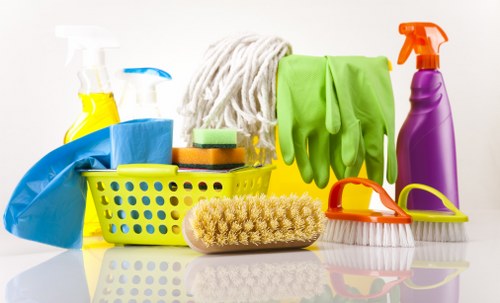
The value of deep cleaning goes far beyond appearance. It affects health, comfort, productivity, and even the lifespan of furniture, flooring, and appliances. Dust, grease, mold, and residue can accumulate gradually, creating an environment that feels stale and can contribute to odors or allergy triggers.
In homes, deep cleaning can help reduce allergens such as dust mites, pet dander, and pollen. In offices or retail spaces, it can support a more professional atmosphere and reduce the spread of germs on commonly touched surfaces. A cleaner environment often feels calmer, more organized, and more welcoming.
There is also a practical maintenance benefit. Regular deep cleaning can help preserve carpets, upholstery, countertops, bathrooms, and kitchen appliances by removing substances that wear surfaces down over time. In that sense, deep cleaning is not just cosmetic; it is a smart long-term care strategy.
Deep Cleaning vs. Regular Cleaning
It is easy to confuse routine cleaning with deep cleaning, but the two serve different purposes. Regular cleaning keeps a space presentable from day to day, while deep cleaning targets the details that routine upkeep usually does not cover.
Typical regular cleaning tasks may include:
- Dusting accessible surfaces
- Vacuuming floors
- Wiping counters
- Cleaning sinks and toilets
- Taking out trash
By contrast, deep cleaning may involve:
- Moving appliances to clean behind them
- Scrubbing grout and tile
- Cleaning inside cabinets and drawers
- Washing baseboards and door frames
- Disinfecting switches, handles, and remote controls
Why the difference matters
When people invest in deep cleaning in homes, they often discover areas that have collected layers of dust or grease over months. This attention to detail creates a much more noticeable result than surface cleaning alone.
Key Areas That Deep Cleaning Should Cover

A successful deep cleaning process focuses on the areas most likely to gather dirt and bacteria. Every space is unique, but several zones typically require special attention.
Kitchen
The kitchen is one of the most important areas for deep cleaning because it combines food prep, spills, grease, and heavy use. Tasks may include cleaning inside the oven, degreasing the stovetop, wiping cabinet fronts, sanitizing handles, and washing behind appliances.
Bathrooms
Bathrooms need intense attention because moisture can encourage soap scum, mildew, and bacteria buildup. Deep cleaning in bathrooms often includes scrubbing tiles, descaling fixtures, disinfecting toilets, cleaning drains, and polishing mirrors and glass.
Living areas and bedrooms
These spaces benefit from dust removal, vacuuming upholstered furniture, cleaning baseboards, and washing vents or fan blades. Under beds, behind sofas, and around corners are common hiding places for dust and debris.
Entryways and high-touch points
Doorknobs, light switches, stair railings, and entry mats can collect grime quickly. Because they are touched often, these areas deserve careful cleaning during any deep cleaning routine.
When Should You Schedule Deep Cleaning?
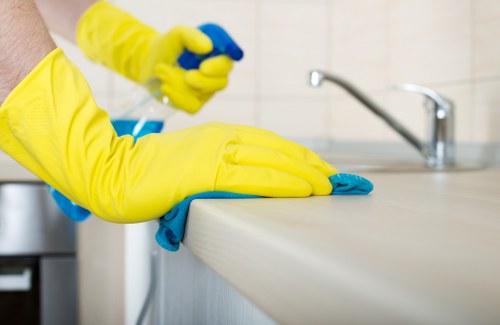
There is no single rule for how often deep cleaning should happen, but many homes and businesses benefit from it several times a year. The right timing depends on your space, lifestyle, foot traffic, and hygiene standards.
Common reasons to book deep cleaning
- Seasonal cleaning, such as spring or fall refreshes
- Before or after hosting an event
- Moving into a new home or office
- Moving out and preparing a property for inspection
- After renovations or construction work
- When allergens, odors, or dust become noticeable
- As part of routine property maintenance
For many people, deep cleaning is most effective when it is scheduled regularly rather than waiting until the space feels overwhelming. A planned schedule can make upkeep easier and help prevent major buildup.
If your environment has high traffic, pets, children, or frequent visitors, you may need deep cleaning services more often than a low-traffic household. Similarly, commercial spaces may require more frequent attention to remain professional and sanitary.
Benefits of Professional Deep Cleaning Services
More detailed results
Professional cleaners often work from structured systems that ensure no area is missed. Their training, equipment, and experience allow them to handle stubborn grime, hard-to-reach spots, and specialized surfaces more efficiently.
Time savings
One of the biggest advantages of deep cleaning services is the time you save. A proper deep clean can take hours, sometimes even a full day or more, depending on the size and condition of the space. Hiring professionals can free up time for work, family, or other priorities.
Better tools and products
Professional teams often use commercial-grade products, vacuums, steamers, and detail tools designed to remove buildup effectively while protecting surfaces. This can create better results than using standard household supplies alone.
Health and hygiene advantages
Deep cleaning can support a healthier indoor environment by reducing dust, bacteria, and allergens. That is especially helpful for families with children, older adults, or anyone sensitive to dust and airborne irritants.
Peace of mind
There is also a comfort factor. Knowing that your home or workplace has been thoroughly cleaned can bring peace of mind and make the entire environment feel more pleasant and manageable.
What a Deep Cleaning Checklist May Include
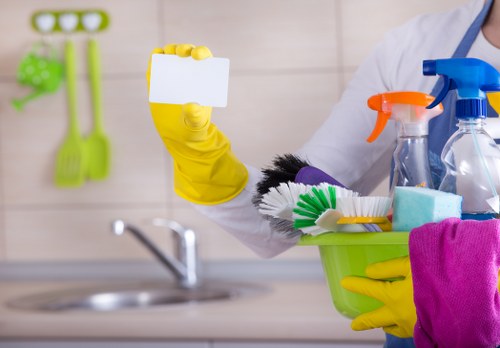
A strong deep cleaning checklist keeps the process organized and ensures that important details are not forgotten. While each property is different, the following items often appear on a thorough checklist.
General tasks
- Dust ceiling fans, vents, and light fixtures
- Wipe walls, doors, and door frames
- Clean baseboards and trim
- Vacuum and mop all floors
- Disinfect high-touch surfaces
- Remove cobwebs from corners and ceilings
Kitchen tasks
- Clean inside and outside of cabinets
- Scrub sink and faucets
- Degrease backsplash and stove area
- Clean microwave, oven, and refrigerator exterior
- Wipe small appliances and countertops
Bathroom tasks
- Scrub shower walls, tubs, and tiles
- Clean toilet base and behind the toilet
- Remove soap scum from glass and fixtures
- Disinfect counters and sinks
- Polish mirrors and metal surfaces
Using a checklist makes deep cleaning in homes more efficient and consistent. It also helps establish expectations if you are comparing or booking deep cleaning services.
How to Prepare for Deep Cleaning
Preparation can make the process smoother and more effective. Whether you plan to clean yourself or hire professionals, a few simple steps can help.
Before the cleaning begins
- Declutter surfaces so cleaners can access the area
- Remove fragile or valuable items from work zones
- Secure pets in a safe space
- Make a note of problem areas that need extra attention
- Ensure there is access to water and electricity if needed
If you are working with a cleaning team, clear communication is helpful. Let them know about delicate materials, stained areas, stubborn odors, or rooms that need special handling. This allows the deep cleaning process to be more targeted and effective.
Preparing in advance also reduces stress. Instead of worrying about clutter, you can focus on the improvement the deep cleaning will bring once the work is complete.
Deep Cleaning Tips for Better Results
Work top to bottom
Start with higher areas like shelves, fans, and light fixtures, then move downward to surfaces and floors. This prevents dust from falling onto already cleaned areas.
Use the right products
Different surfaces require different solutions. Always use products that are safe for wood, stone, stainless steel, tile, fabric, or glass. Using the wrong cleaner can damage finishes or leave streaks.
Be systematic
Follow a room-by-room plan so that nothing gets skipped. A consistent method is one of the most effective ways to achieve a true deep cleaning result.
Pay attention to hidden spots
Look under furniture, behind toilets, around appliance bases, inside tracks, and along trim. These overlooked areas often make the biggest difference in how clean a room feels.
Do not rush
Deep cleaning takes time. Rushing through it can leave residue behind and reduce the impact. Slower, careful work usually produces much better results.
Deep Cleaning for Homes vs. Businesses
Homes
In residential spaces, deep cleaning in homes often focuses on family comfort, allergens, kitchen buildup, bathroom sanitation, and general freshness. Bedrooms, play areas, and living rooms may require extra dust removal and upholstery care.
Businesses
Commercial deep cleaning usually emphasizes appearance, sanitation, and professionalism. Offices, lobbies, restrooms, break rooms, and shared workspaces need detailed attention to create a clean impression for employees and visitors.
Both settings benefit from a structured approach, but the priorities may differ. A home may need more attention to lived-in details, while a business may need greater focus on traffic-heavy surfaces and customer-facing spaces.
In either setting, regular deep cleaning supports better maintenance and a more welcoming atmosphere.
Choosing the Right Deep Cleaning Service
If you decide to hire help, selecting the right provider matters. Not all cleaning companies offer the same level of detail, so it is worth looking for one that specializes in deep cleaning services.
What to look for
- Clear service descriptions
- Experience with homes or commercial properties
- Structured checklists and attention to detail
- Flexible scheduling
- Use of safe and effective cleaning products
- Ability to handle special requests
It is also useful to ask how the team approaches kitchens, bathrooms, floors, appliances, and hard-to-reach areas. A strong provider will explain their process clearly and show that they understand what a true deep cleaning involves.
When a service is well-organized, the results are usually more consistent and more satisfying. That makes it easier to maintain your space afterward and plan future cleanings.
Maintaining the Results After Deep Cleaning
Once the space has been thoroughly cleaned, simple habits can help preserve the results. Maintenance does not need to be complicated; it just needs to be consistent.
Helpful maintenance habits
- Dust and vacuum regularly
- Wipe kitchen counters after use
- Disinfect high-touch areas often
- Address spills quickly
- Keep clutter under control
- Schedule periodic deep cleaning sessions
These habits help reduce the speed at which grime returns. They also make future deep cleaning in homes easier because buildup has less time to accumulate.
If you run a business, routine upkeep is especially important. High-traffic areas can become dirty quickly, so a maintenance plan paired with periodic deep cleaning services is the best way to keep the space looking polished.
Why Deep Cleaning Supports a Better Lifestyle
A clean environment influences how people feel and function. Many individuals find that deep cleaning brings a sense of order, relief, and renewal. Rooms feel lighter. Surfaces look brighter. Daily tasks become easier when clutter and grime are under control.
In family homes, this can create a more comfortable environment for relaxing, studying, cooking, and spending time together. In work settings, it can improve morale and support a more professional atmosphere. While it may seem like a behind-the-scenes task, deep cleaning has a visible and emotional impact.
That is why so many people choose to book their service now when a space starts to feel tired or neglected. A properly cleaned environment can reset the tone of a home or business and make everyday life more enjoyable.
Strong reasons to act now
- Improve the look and feel of your space
- Reduce dust and allergens
- Support better hygiene
- Protect surfaces and fixtures
- Create a more welcoming atmosphere
If your property needs attention, contact us today to take the next step toward a fresher, cleaner environment. A timely deep cleaning can make a lasting difference.