Skip licence bulky waste disposal for cleaning jobs Knightsbridge
If you are planning a clean-up in Knightsbridge, the paperwork can become the awkward bit no one wants to deal with. Skip licence bulky waste disposal for cleaning jobs Knightsbridge sounds like a mouthful, but the idea is simple: if your cleaning job creates a lot of bulky rubbish, you need a sensible, legal, and efficient way to remove it. That might mean a skip permit, a licensed waste collection route, or a better disposal plan altogether. The right choice depends on the property, the type of waste, and how quickly the job needs to be turned around.
In a place like Knightsbridge, space is tight, access can be fussy, and neighbours notice everything. So getting waste handling right is not just a compliance issue. It is part of delivering a smooth, professional clean. This guide breaks it down in plain English, with practical steps, common mistakes, and the sort of detail that saves time on site. To be fair, that is usually what people want most: less hassle, fewer surprises, and a job that feels finished properly.
Why Skip licence bulky waste disposal for cleaning jobs Knightsbridge Matters
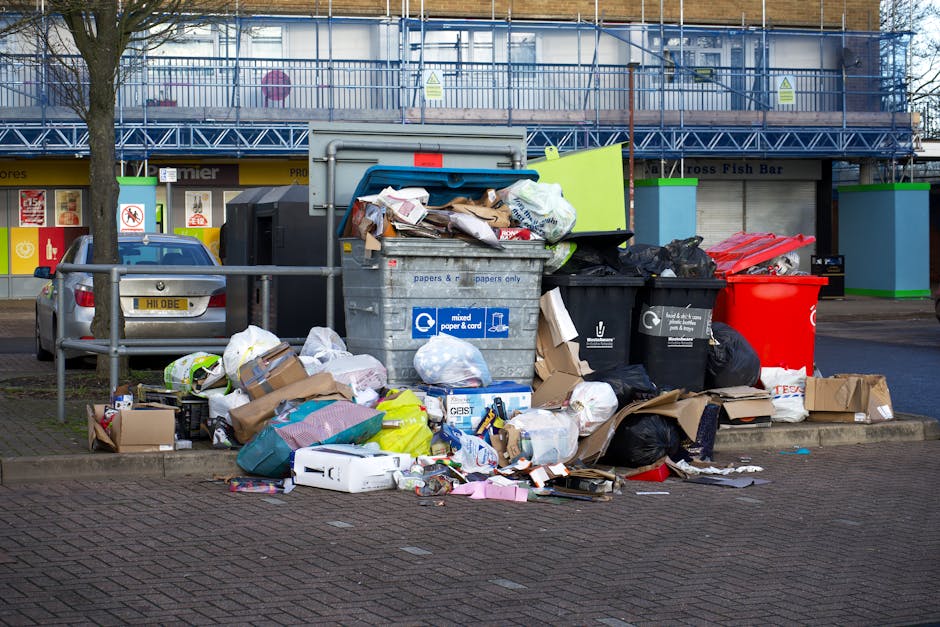
Bulk waste from cleaning jobs is not the same as a few bin bags after a tidy-up. Deep cleans, after-builders cleans, end-of-tenancy clearances, and move-out jobs can produce broken furniture, old mattresses, carpet offcuts, packaging, fixtures, and other awkward items. Once the waste becomes bulky, the usual household bin system stops being practical very quickly.
That is where a skip licence, sometimes called a skip permit, enters the picture. If a skip sits on a public road, pavement, or controlled parking bay, permission may be needed before it can be placed there. In a dense central London area, that matters because access is limited and the consequences of getting it wrong can be expensive or delayed. And delays are annoying when the cleaning team is ready to move on, the client is waiting, and the hallway still smells faintly of plaster dust.
The real point is not just legal tidiness. It is operational control. Good waste planning helps a cleaning job finish on time, keeps the site safer, and prevents bulky waste from cluttering a property while the final clean is under way. If you also need specialist cleaning after a refurbishment, it is often worth considering after builders cleaning or a broader deep cleaning service so the waste plan and the clean-up plan work together rather than fighting each other.
How Skip licence bulky waste disposal for cleaning jobs Knightsbridge Works
In practice, there are usually three moving parts: the waste itself, the location where it will be stored or collected, and the method used to remove it. The cleaner or property manager identifies what needs to go. Then they decide whether the waste can be removed in a single collection, separated into recyclable streams, loaded into a skip, or handled through a booked bulky waste collection.
If a skip is being used, the key question is where it will sit. On private land, such as a driveway or courtyard, a permit is usually not the issue. On public land, a skip licence may be required. That is why properties without easy off-street access often need a bit more planning. In Knightsbridge, where parking is valuable and kerb space is precious, you do not want to discover this at 4:30 in the afternoon with a pile of waste staring back at you.
For cleaning jobs, the process often looks like this:
- Assess the volume and type of waste.
- Separate reusable, recyclable, and non-recyclable items.
- Check access, loading space, and any restriction on where waste can be left.
- Choose the disposal method that fits the job size and timeline.
- Arrange the skip licence if a skip will be placed on public ground.
- Complete the clean, load waste safely, and remove everything promptly.
This is also where good coordination with the cleaning scope helps. A one-off refurbishment clean might need different waste handling from regular domestic upkeep. If you are comparing service types, pages like one-off cleaning and domestic cleaning can help you think through the level of support needed.
Key Benefits and Practical Advantages
When the waste disposal side is handled properly, the whole job becomes calmer. That may sound obvious, but in busy homes and commercial spaces, calm is a real advantage. Here is why.
- Cleaner workflow: waste does not block access routes or slow the team down.
- Less risk of delays: you avoid the last-minute scramble for disposal arrangements.
- Safer working conditions: bulky items left in hallways or loading areas can create trip hazards.
- Better presentation: the property looks genuinely finished, not half-cleared.
- More predictable scheduling: disposal and cleaning can be planned together instead of as separate emergencies.
There is also a trust benefit. Clients notice when a cleaning provider seems organised about waste. It gives the impression of proper care, not just a quick wipe-and-go. In premium neighbourhoods, presentation matters. A neatly managed clean-up feels more professional because it is professional.
For landlords and managing agents, careful waste removal can also support a smoother handover. If the job involves carpets, upholstery, mattresses, or communal areas, it may make sense to combine disposal planning with the relevant service page such as end of tenancy cleaning, carpet cleaning, sofa cleaning, or mattress cleaning.
Who This Is For and When It Makes Sense
This topic matters to more people than you might think. It is not only for builders or waste contractors. Cleaning jobs often uncover more waste than the initial brief suggests. A mattress that cannot be salvaged, a wardrobe split during removal, old blinds, broken shelving, or bags of debris after a property refresh can all push a job into bulky waste territory.
It makes sense when you are:
- clearing a property before a move-in or move-out
- handling post-tenant or post-renovation clean-up
- working on an Airbnb turnaround with damaged or discarded items
- cleaning communal areas where abandoned items have built up
- refreshing an office, shop, or commercial space
- removing furniture or fixtures that cannot simply go in normal waste bins
In some cases, the cleaner is not the one ordering the skip or arranging disposal, but they still need to understand the logic. Otherwise the clean can get stuck in the middle. A property manager may think waste is already covered, while the team on site is staring at a pile of flattened boxes, a broken shelf, and no clear plan. Happens more than people admit.
If your work involves guest turnover, Airbnb cleaning often benefits from this kind of pre-planned waste handling. If it is an office or shared building, office cleaning or communal area cleaning may be the better fit for the wider scope.
Step-by-Step Guidance
If you are deciding whether to skip the skip licence headache and how to manage bulky waste properly, use this sequence.
- Walk the site first. Check what is actually there, not what someone described over email. Waste volumes are often underestimated.
- Separate waste categories. Put recyclables, reusable items, and general bulky waste into different piles where possible.
- Check access carefully. Measure doorways, stairwells, loading areas, and any parking restrictions. Knightsbridge access can be tight, especially around busy roads or mews properties.
- Decide whether a skip is really needed. For smaller volumes, a skip may be overkill. For larger clear-outs, it may be the most efficient option.
- Confirm where the skip will sit. Private land usually simplifies things. Public land may require a skip licence.
- Plan the timing. Coordinate the skip delivery, the clean, and the removal so waste does not sit around longer than necessary.
- Load safely and sensibly. Heavy items should go in first. Do not overfill. It looks careless and can create practical problems.
- Finish with a proper final check. Once the bulky waste is out, inspect corners, skirting boards, and hidden spots. Small bits of debris love to hide, the little monsters.
That sequence may sound basic, but it prevents a lot of friction. The smoothest jobs are usually the ones where waste and cleaning are treated as one joined-up process.
Expert Tips for Better Results
There are a few habits that make bulky waste disposal much easier in real-world cleaning jobs.
- Build waste planning into the quote. If you wait until the job starts, you may have to revisit timings and costs.
- Use photos before the job. A quick visual check often reveals whether the waste is ordinary clutter or proper bulky waste.
- Protect access routes. Lift items carefully through hallways and lobbies, especially in buildings with polished floors or shared entrances.
- Be strict about contamination. A clean load is easier to manage than a mixed pile of food waste, cleaning chemicals, broken furniture, and packaging.
- Match the waste method to the job size. Sometimes a dedicated collection beats a skip. Sometimes it is the other way round.
A small but useful detail: if the property is being cleaned after decoration, dust and debris often appear much lighter than they are. That fine dust on the floor? It gets everywhere. Into corners, under cabinets, along skirting, behind radiators. So you want the waste out before the final polish, not after. It makes the clean feel much sharper.
For stubborn residue, it can help to pair this planning with services like oven cleaning or window cleaning when the job is about restoring a property to a presentable standard rather than just removing rubbish.
Common Mistakes to Avoid
Most problems with skip licence bulky waste disposal are not dramatic. They are boring little oversights that snowball. And that is exactly why they are so frustrating.
- Leaving the permit decision too late. If the skip goes on public ground, the permission issue should be sorted early.
- Underestimating the waste volume. One room of clutter can fill more space than expected, especially with awkward items.
- Mixing waste types without thinking. This can make disposal less efficient and harder to manage.
- Blocking access during the clean. Bulky items should not sit where cleaners need to work.
- Ignoring building rules. Flats, estates, and managed properties may have their own waste procedures.
- Assuming every bulky item needs the same approach. A damaged chair, a carpet roll, and a mattress do not always belong in the same disposal plan.
There is also a subtle mistake that people make: they treat disposal as an afterthought. But in a proper cleaning job, it is part of the job design. If you plan it last, you pay for it last, usually in stress.
Tools, Resources and Recommendations
You do not need a complicated kit to manage bulky waste better, but a few practical tools make the job easier.
- Site checklist: for access, waste categories, and removal timing
- Camera or phone photos: useful for quoting and planning
- Labels or tape: simple way to mark what stays, what goes, and what must be handled separately
- Protective gloves and footwear: especially if the waste includes broken or sharp material
- Heavy-duty sacks and moving aids: helpful for mixed clean-up jobs
Recommendations matter too. If the work includes routine upkeep rather than a one-off clear-out, consider whether a recurring clean is a better fit. A regular service can reduce the build-up of waste in the first place. That is where regular cleaning can be surprisingly useful, especially in busy homes, managed rentals, or offices where clutter tends to accumulate quietly over time.
For packaged or post-refurbishment jobs, after builders cleaning remains one of the most relevant adjacent services, because the waste problem and the dust problem usually arrive together. Annoying, but true.
Law, Compliance, Standards, or Best Practice
Waste disposal in the UK is subject to general legal duties and local controls, and it is always wise to follow the current rules that apply to the specific property and location. For cleaning jobs, the main practical point is simple: do not assume a skip can be placed wherever it suits you. If it needs to sit on public land, permission may be required. If the waste includes restricted items, additional handling rules may apply.
Best practice usually includes:
- checking whether the skip will be on private or public land
- keeping access routes safe and unobstructed
- separating recyclable material where practical
- avoiding contamination of clean waste streams
- using a documented plan for collections and removals
For service providers, there is also a trust angle. Good operators should be clear about insurance, safety processes, and how they handle site risks. A useful starting point for customers is to review pages like insurance and safety, health and safety policy, and recycling and sustainability so expectations are clear before work begins.
None of this is flashy. But compliance is often what separates a smooth cleaning project from a messy one. Quiet competence, basically. That is the good stuff.
Options, Methods, or Comparison Table
Choosing the right disposal method depends on time, volume, access, and whether the waste sits on a public or private surface. Here is a plain-English comparison.
| Method | Best for | Main advantage | Watch out for |
|---|---|---|---|
| Skip on private land | Larger clear-outs with good access | Efficient for bulky and mixed waste | Needs space and may not suit every property |
| Skip on public land | Jobs without off-street space | Practical when access is limited | May require a skip licence and careful scheduling |
| Booked bulky waste collection | Smaller volumes or targeted removals | Can be simpler for fewer items | May be less flexible for large or mixed loads |
| Phased removal during cleaning | Complex jobs with multiple rooms or stages | Keeps the site clear as work progresses | Needs strong coordination and clear responsibility |
If the property includes a lot of soft furnishings, surfaces, or mixed interior waste, it may also help to think in terms of the actual cleaning scope. For example, a job with carpet, sofa, and upholstery elements may benefit from combining disposal planning with upholstery cleaning, rug cleaning, or window cleaning where appropriate.
Case Study or Real-World Example
Imagine a Knightsbridge apartment being prepared after a tenant move-out. The instruction sounds simple enough: clean the flat, remove a few unwanted items, and hand it back ready for inspection. Then the team arrives and finds a heavy broken bookcase, a mattress that has clearly had a long and difficult life, several bags of mixed clutter, and a few loose items in the hallway that were not mentioned at all.
At that point, the cleaning job is no longer just about wiping down surfaces. The team needs to protect the corridor, decide what can be removed safely, and work out whether the bulky waste can go in a skip, be collected separately, or needs a different disposal route. Because the building has no easy private loading space, the skip option would only make sense if the placement and permit issues are sorted first.
The successful version of this job usually looks like this: waste is identified during the pre-visit, disposal is planned before the team starts, the cleaning sequence is organised around the removal of bulky items, and the final finish is done only once the space is clear. The result is cleaner, faster, and less stressful for everyone involved. Simple, really. Not always easy, but simple.
That is why many property owners prefer to pair moving-related services with move out cleaning or move in cleaning. When the waste and the finish are aligned, the handover feels much smoother.
Practical Checklist
Use this checklist before the job starts. It saves time, and it saves that awkward moment where everyone stands around looking at the same pile of stuff.
- Confirm exactly what bulky waste needs removing.
- Check whether any items can be reused or recycled.
- Identify whether the property has private loading access.
- Decide if a skip is necessary or if another disposal method is better.
- Check whether a skip licence may be needed for public placement.
- Match the disposal schedule to the cleaning timeline.
- Keep walkways and exits clear throughout the job.
- Use safe handling for heavy, sharp, or awkward items.
- Finish with a full inspection once the waste is gone.
- Keep the client informed if the plan changes.
Practical takeaway: the best bulky waste plan is the one that reduces friction on the day. If the waste leaves cleanly, the cleaning can finish cleanly too.
Conclusion
Skip licence bulky waste disposal for cleaning jobs Knightsbridge is really about making good decisions early. If you know the waste volume, the access limits, and the likely disposal method, the whole project becomes easier to manage. That matters in Knightsbridge more than most places because the environment is busy, high-value, and not very forgiving of sloppy planning.
The key is to treat waste as part of the cleaning brief, not a separate afterthought. Do that, and you will save time, avoid confusion, and finish with a property that feels properly cared for. And honestly, that is what a strong cleaning job should do: remove the mess, remove the stress, and leave the space ready for whatever comes next.
Get a free quote today and see how much you can save.
Frequently Asked Questions
Do I always need a skip licence for bulky waste disposal in Knightsbridge?
No. A skip licence is generally only relevant if the skip will be placed on public land such as a road, pavement, or other controlled space. If it sits entirely on private land, a permit may not be needed. The location decides a lot here.
What counts as bulky waste on a cleaning job?
Bulky waste usually means large items that are difficult to put in normal bins, such as furniture, mattresses, carpet rolls, broken shelving, or packed-up debris from a clean-out. It is less about weight alone and more about awkward size and handling.
Is skip hire the best option for every cleaning job?
Not always. For small quantities of waste, a dedicated bulky waste collection may be simpler. For larger clear-outs or awkward mixed waste, a skip can be more practical. It depends on access, volume, and timing.
Can a cleaner arrange bulky waste disposal as part of the job?
Yes, many professional cleaning projects include waste planning or coordinate it closely with the clean. That said, the exact arrangement depends on the provider and the scope of the job. It is always worth confirming in advance.
What happens if a skip is placed without the right permission?
That can lead to delays, enforcement issues, or extra costs. The safest approach is to confirm whether permission is required before delivery, especially in areas where public space is tightly managed.
How far in advance should I plan bulky waste disposal?
Earlier than you think. For straightforward jobs, a short lead time may be fine. For more complex clean-ups, it is better to plan during the quotation or site-visit stage so the cleaning schedule and disposal method line up.
What if the property has no off-street access?
Then access planning becomes more important. You may need a permit-based skip placement, a different collection method, or a phased removal plan. In Knightsbridge, that is a very common issue, so you are not alone there.
Can bulky waste and recycling be handled together?
Sometimes yes, but they should still be separated where practical. Recyclable materials, reusable items, and general waste are best kept distinct so the disposal process is cleaner and more efficient.
Does bulky waste disposal change for end-of-tenancy cleaning?
It often does. End-of-tenancy jobs can involve abandoned furniture, damaged items, and mixed clutter, so the waste plan may need to be more structured. That is why end of tenancy cleaning often goes hand in hand with removal planning.
What should I check before agreeing to a cleaning and waste removal plan?
Check the type of waste, access route, location for any skip, timing, who is responsible for permissions, and how the final clean will happen after the bulky items are removed. Clear expectations save a lot of back-and-forth later.
Is bulky waste disposal more complicated in central London?
Usually, yes, mostly because access and space are tighter, and parking or placement restrictions tend to matter more. That does not mean the job is difficult, only that planning matters a bit more. A lot more, sometimes.
Where can I learn more about service standards and booking details?
It can help to review the provider's pricing and quotes, terms and conditions, and payment and security information so you understand what is included and how the job will be handled.