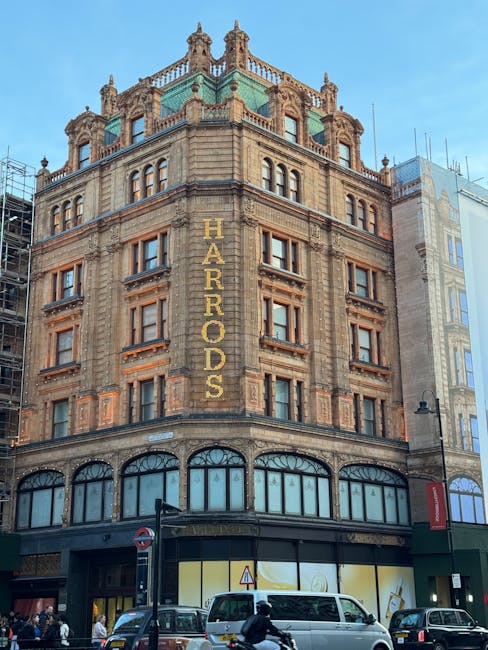
Same day emergency cleaning Knightsbridge delays and solutions
When you need a property cleaned today, delays can feel like the last thing you can afford. A spilt drink on cream carpet before an evening arrival, a last-minute guest complaint, a messy post-event flat, or an unexpected issue after contractors leave can all turn into a genuine same-day scramble. Same day emergency cleaning Knightsbridge delays and solutions is really about understanding what slows a rapid response down, what can be done to speed it up, and how to choose the right cleaning approach without making the situation worse.
In Knightsbridge, where schedules are tight and expectations tend to be high, the difference between a smooth rescue and a frustrating wait often comes down to preparation, clear communication, and picking the right level of service. This guide breaks that down in plain English, with practical steps you can use straight away. If you need a broader sense of service options, it can also help to know how emergency cleaning sits alongside deep cleaning, one-off cleaning, and more routine support such as domestic cleaning.
Quick takeaway: same-day cleaning is rarely delayed by one single issue. More often, it is a chain of small problems: unclear scope, access difficulties, traffic, specialist equipment needs, or simply booking too late in the day. The good news? Most of these can be reduced quickly if you know what to ask and what to prepare.
Table of Contents
- Why Same day emergency cleaning Knightsbridge delays and solutions Matters
- How Same day emergency cleaning Knightsbridge delays and solutions Works
- Key Benefits and Practical Advantages
- Who This Is For and When It Makes Sense
- Step-by-Step Guidance
- Expert Tips for Better Results
- Common Mistakes to Avoid
- Tools, Resources and Recommendations
- Law, Compliance, Standards, or Best Practice
- Options, Methods, or Comparison Table
- Case Study or Real-World Example
- Practical Checklist
- Conclusion
- Frequently Asked Questions
Why Same day emergency cleaning Knightsbridge delays and solutions Matters
Emergency cleaning is not just about making something look nicer. Often, it is about restoring a space to a usable state fast enough to protect a booking, a tenancy handover, a meeting, a household routine, or your own peace of mind. In a place like Knightsbridge, that can matter a lot. Properties may be used for short stays, client visits, managed apartments, office use, or high-value residential living where a small delay has a knock-on effect.
Delays matter because messes do not sit still. A spill can spread, a stain can set, odours become more noticeable, and foot traffic can push dirt deeper into fibres. A bathroom issue can also become a hygiene concern quickly. That is why same-day response is usually less about luxury and more about damage control. To be fair, most people do not want "perfect"; they want "sorted, now".
There is also a trust angle. If someone says they can arrive quickly but then misses the window by several hours, the whole day can unravel. The cleaner may still do a good job eventually, but the timing gap becomes the real problem. That is why the best providers are honest about what they can do today, what they cannot, and what the fastest realistic fix looks like.
In practice, the solutions are usually quite simple: narrow the scope, remove access barriers, confirm parking or entry details, and choose the most relevant task rather than asking for everything at once. A focused response beats a vague, overstuffed request almost every time.
How Same day emergency cleaning Knightsbridge delays and solutions Works
The same-day process usually starts with triage. Think of it as a quick sorting step: what happened, where it happened, how urgent it is, and whether it needs specialist attention. A good cleaning team will not treat a wine spill on a rug the same way they would treat a full post-renovation dust clean. Nor should they.
Once the issue is identified, the next step is scheduling. This is where delays most commonly appear. In a dense London area, even a short journey can be affected by traffic, parking access, building entry rules, or last-minute changes from the client. If the cleaner has to wait at reception, call someone for access, or hunt for loading space, the arrival time may slip. Not dramatically always, but enough to matter.
The cleaning itself is usually split into three phases:
- Preparation and confirmation - checking the job details, tools needed, and access instructions.
- Arrival and assessment - identifying the exact problem areas and deciding the safest cleaning method.
- Treatment and finishing - carrying out the cleaning, drying, deodorising, or detailing work required.
For some jobs, a same-day booking may be enough. For others, the first visit is about stabilising the problem. For example, a deep stain might need an immediate spot treatment and then a follow-up visit for carpet cleaning. Likewise, a rushed post-event kitchen reset may combine surface cleaning with oven cleaning if grease or burnt residue has become the visible issue.
One thing worth saying: same-day cleaning works best when the scope is tight. "The flat needs cleaning" is too broad. "The kitchen, bathroom, and hallway need urgent attention before 6 pm" is much better. It sounds obvious, but you would be surprised how often the first version is all people send. Happens all the time.
Key Benefits and Practical Advantages
The main benefit of same-day emergency cleaning is speed, but that is only part of the story. A fast response also helps preserve surfaces, reduce stress, and avoid a second problem on top of the first one.
- Less damage spread: quick treatment can stop stains from setting or odours from lingering.
- Better guest or client experience: if someone is arriving later that day, a clean space can save the booking or meeting.
- More control under pressure: when you know the plan, the situation feels less chaotic.
- Cleaner handovers: useful for moves, late check-ins, and urgent tenancy issues.
- Reduced disruption: a focused same-day visit can be less invasive than trying to do everything yourself in a panic.
There is also a practical advantage many people overlook: a good emergency clean often shows you what kind of ongoing maintenance would help prevent repeat problems. A busy apartment might benefit from regular cleaning, while a property that has had renovations may need after builders cleaning once the urgent mess is gone.
For managed homes, serviced accommodation, and short-let turnovers, the value is even clearer. A same-day clean can protect reviews, check-in timing, and the general feeling of the property. Little things matter here: a fresh-smelling hallway, clean taps, no dust on skirting, no crumbs in daylight. That sort of thing sticks in people's minds.
Who This Is For and When It Makes Sense
Same-day emergency cleaning is not for every situation, and that is fine. Sometimes a next-day slot is perfectly acceptable. But if time is tight, same-day support can be the right call for:
- homeowners dealing with spills, odours, or surprise mess before guests arrive
- landlords and agents needing urgent pre-viewing or post-incident cleaning
- tenants with sudden end-of-tenancy pressure
- Airbnb hosts managing late turnover issues
- offices that need a workspace cleaned before the next meeting or client visit
- builders or contractors who have left dust, debris, or residue behind
In a residential context, the best match is often urgent support for a specific room or surface rather than the whole property. In a commercial setting, it may be about protecting business continuity. An entrance, meeting room, or shared kitchen can be more important than the rest of the floor for that day. That is where commercial cleaning or office cleaning can make sense as part of a rapid-response plan.
It also makes sense for people who do not have the equipment, time, or headspace to solve the problem themselves. Let's face it, if you are already stressed, the last thing you need is to be Googling stain techniques while watching the clock. Sometimes paying for a clean is really paying for breathing room.
Step-by-Step Guidance
If you want the fastest possible outcome, work through the problem methodically. A calm 10-minute setup can save a lot of time later.
1. Define the issue clearly
State what happened, where it happened, and what outcome you need today. For example: "There is a coffee spill on a light carpet in the reception room, and the room must be presentable by 4 pm." That is much more useful than a general "urgent clean needed".
2. Share access details immediately
Give the full picture: entry codes, buzzer instructions, floor level, lift availability, parking restrictions, and any concierge rules. In Knightsbridge especially, access can be the hidden delay. A cleaner may be nearby, but if they cannot get in quickly, the clock keeps moving.
3. Tell them what has already been attempted
If you have blotted a stain, used a product, or moved furniture, say so. That matters. A treated stain can behave differently from a fresh one, and some products change how a surface reacts. It is not about blame; it is about choosing the right method.
4. Ask what can be done today, not theoretically
There is a practical difference between "we can help" and "we can help in this window, with this equipment, for this specific issue". Ask for the realistic version. Good service providers will be direct here.
5. Prioritise the highest-value area first
If time is limited, choose the area that affects the day most: entrance, bathroom, kitchen, reception, guest room, or visible floor space. This is often the quickest way to make the property usable again.
6. Confirm the finish point
Before anyone starts, agree what "done" looks like. Is it stain reduction? Odour removal? Guest-ready presentation? Full reset of a room? Small detail, big difference.
A sensible same-day plan often pairs emergency response with a broader solution later. For example, a host might get urgent help today and then arrange Airbnb cleaning or move out cleaning afterward to keep standards steady. That two-stage approach is more realistic than hoping one rushed visit will solve everything. Sometimes it does. Sometimes it doesn't. Honest answer.
Expert Tips for Better Results
Here are the habits that tend to make the biggest difference when time is short.
- Keep the space as still as possible. More foot traffic usually means more spread. If someone spills, stop traffic through that area.
- Use simple information. Photos help, but a brief explanation is often even better. "Grease on cooker hood, sticky floor near sink, no pets in property" is gold.
- Do not mix products. If you have already used a cleaner, say which type. Mixed products can complicate the job and sometimes create safety issues.
- Be realistic about drying time. A cleaned surface may not be fully dry immediately. If people need to walk on it, mention that upfront.
- Ask about the fastest safe method. Sometimes the best emergency solution is not the most aggressive one. It is the one that gives the best result without wrecking the surface.
One useful local observation: properties in Knightsbridge can vary a lot, from compact flats to larger homes with delicate finishes. Marble surfaces, high-end fabrics, and older flooring all need a slightly more cautious approach. A rushed clean should still be careful. Actually, especially then.
If you want to reduce future emergencies, consider a sensible maintenance rhythm. A property with regular care through house cleaning or one-off cleaning tends to hit fewer crisis points in the first place. Not because mess disappears forever. It doesn't. Just because problems stay smaller.
Common Mistakes to Avoid
Emergency jobs can go sideways for simple reasons. Most are avoidable if you slow down for a moment.
- Booking without enough detail. Vague requests cause mismatches in timing, equipment, and expectations.
- Leaving access until the last minute. The cleaner cannot start if they cannot get through the door.
- Assuming all mess is the same. Food stains, dust, mould concerns, post-build residue, and pet mess each need different handling.
- Trying too many DIY fixes first. Sometimes the "helpful" extra scrubbing makes the job harder.
- Expecting a full deep clean from a short emergency slot. That expectation is the fastest route to disappointment.
Another common one? Forgetting the hidden surfaces. People often focus on the obvious spill and miss the baseboards, handles, switches, or the area around the issue. A proper emergency clean should handle the visible problem and the evidence around it. That is what makes it feel finished.
If the issue came after building work, dust often settles in odd places: tops of frames, behind radiators, the inside edge of windows, and under ledges. That is where window cleaning or a more thorough post-project clean may become part of the answer, not an extra luxury.
Tools, Resources and Recommendations
For readers who want to prepare well before the cleaner arrives, a few simple things help enormously. You do not need specialist kit. In most cases, you need clarity, access, and the right priorities.
| Situation | Best immediate action | What the cleaner may need |
|---|---|---|
| Fresh spill on carpet | Blot gently, do not scrub | Clear room access, photos, fibre details if known |
| Kitchen grease and food residue | Keep the area unused if possible | Surface access, water supply, details on appliances |
| Post-event cleanup | Prioritise visible areas and hygiene points | Room list, waste collection info, parking details |
| Move-related mess | Separate urgent spaces from non-urgent ones | Entry instructions, inventory of areas, timing window |
| Dust after works | Limit movement to avoid spreading dust | Clear paths, knowledge of delicate surfaces |
If you are comparing service needs, it can also help to think in categories. A fabric stain is not the same as a bathroom sanitising job, and a one-room reset is not the same as a full property clean. For upholstery issues, a targeted service like sofa cleaning or upholstery cleaning may be more appropriate than a general clean.
For day-to-day upkeep, a few practical habits go a long way: keep a simple cleaning caddy, note which products are safe for which surfaces, and keep a list of building access details somewhere easy to find. Slightly boring? Yes. Hugely useful when things go wrong? Also yes.
Law, Compliance, Standards, or Best Practice
Emergency cleaning is usually a practical service issue rather than a heavily regulated one, but safety and good practice still matter. In the UK, reputable cleaners should work in line with sensible health and safety expectations, use appropriate products, and avoid creating new risks while solving the original problem.
That means a few things in plain terms:
- cleaners should assess surfaces before using stronger products
- chemical use should be sensible and appropriate for the task
- access arrangements should be clear to avoid unsafe rushing
- clients should be told if a surface may need drying time or ventilation
- insurance and safety awareness matter, especially in homes with delicate items or high-value finishes
If you are arranging a cleaner for a landlord property, shared building, office, or furnished rental, it is worth checking that the service provider has a clear stance on health and safety and insurance and safety. That is not about paperwork for the sake of paperwork. It is about avoiding awkward surprises if something is damaged or a hazard is involved.
Best practice also includes honest scope-setting. A responsible cleaner should not promise a miracle if the job needs more time or a specialist follow-up. That honesty is a good sign, not a bad one.
Options, Methods, or Comparison Table
Not every urgent cleaning situation needs the same approach. Here is a simple comparison that may help you decide what kind of response fits best.
| Option | Best for | Pros | Trade-offs |
|---|---|---|---|
| Targeted same-day clean | One room, spill, or visible issue | Fast, focused, usually easiest to arrange | May not cover the whole property |
| Partial emergency + follow-up visit | Mixed mess or larger property issues | Immediate relief plus fuller finish later | Needs two appointments |
| Full deep clean | Heavier dirt, neglected rooms, post-build fallout | More thorough and lasting | Often needs more time than same-day allows |
| Specialist service add-on | Carpets, sofas, mattresses, ovens, windows | Better for problem surfaces | May need separate scheduling |
If your issue is mainly fabric or floor related, specialist help may be more efficient than a general clean. If the concern is broad dust and grime across rooms, then deep cleaning or a carefully planned one-off visit may make more sense.
The main point is simple: choose the method that solves today's bottleneck first. Not every problem needs the biggest hammer. In fact, that can be the wrong move altogether.
Case Study or Real-World Example
Picture this. It is late afternoon in Knightsbridge, and a short-let host gets a call that guests may arrive earlier than expected. The kitchen is tidy enough, but the hallway has tracked-in dirt, a sticky patch near the entrance, and a noticeable smell from a bin that has been sitting too long. Not a disaster. But not ready.
The host's first message is vague: "Need urgent cleaning today." That usually causes delay because the cleaner has to ask follow-up questions. The revised message is better: "Two-bedroom flat, main issue is hallway, kitchen, and bin area. Guest arrival expected by 7 pm. Access code available, parking limited, lift available, no pets." Straight away, the scope is clearer.
Because the request is specific, the cleaner can prioritise the entrance, bin area, kitchen surfaces, and visible floor spaces. The result is not a full top-to-bottom deep clean. It is a sharp, practical rescue clean that makes the flat guest-ready. Later, the host books a more comprehensive service so the property does not keep drifting into the same problem. Sensible, really.
This kind of scenario is common. The successful jobs are rarely the dramatic ones. They are the organised ones. The person who knows what matters today gets the best outcome faster.
Practical Checklist
Use this quick checklist before and during your same-day booking.
- Describe the problem in one clear sentence
- List the rooms or surfaces that matter most
- Share exact access instructions
- Explain any previous cleaning or product use
- Confirm whether parking or loading is restricted
- Prioritise the areas that affect the day most
- Ask what can be completed within the time available
- Clarify whether drying time will be needed
- Confirm the final handover point before work starts
- Arrange follow-up cleaning if the job is bigger than the same-day slot
If you want a longer-term plan after the emergency is handled, services like regular cleaning, move in cleaning, or end of tenancy cleaning can help reduce the odds of another last-minute scramble. Different situations, same principle: keep the standards from sliding until they become a panic.
Conclusion
Same-day emergency cleaning in Knightsbridge is at its best when speed is matched with clarity. Delays usually happen because the job is too broad, access is unclear, or the expected outcome is not specific enough. Once those issues are fixed, the whole process becomes much smoother. Cleaner brief, cleaner result. Simple as that.
The smartest approach is to identify the immediate priority, give precise instructions, and accept that some jobs need a follow-up rather than a perfect all-in-one finish. That is not a failure. It is just a realistic way to handle urgent cleaning well, especially in a busy London area where timing really does count.
Get a free quote today and see how much you can save.
And if the day has already gone a bit sideways, don't worry too much. A good plan, a clear message, and the right cleanup can turn it round more quickly than most people expect.
Frequently Asked Questions
What counts as same-day emergency cleaning in Knightsbridge?
It usually means a cleaning job that needs to be assessed, scheduled, and started on the same day, often because of an urgent guest arrival, spill, odour, handover, or business need. The exact response depends on access, timing, and the type of mess.
Why do same-day cleaning jobs get delayed?
Common reasons include unclear job details, difficult access, parking issues, traffic, or a mismatch between the urgency of the request and the actual size of the task. Sometimes the delay is simply because the cleaner needs to ask a few key questions before leaving.
How can I reduce delays before the cleaner arrives?
Share the problem clearly, send access details early, explain what has already been done, and identify the most important rooms first. The more precise the brief, the less likely the appointment is to stall.
Is same-day emergency cleaning suitable for whole-property deep cleans?
Usually not in one visit, unless the property is small and the scope is very tight. Same-day service is best for urgent priorities. A fuller deep clean may need a separate appointment or a longer time window.
Can emergency cleaning help with carpets and upholstery?
Yes, often it can, but the best method depends on the material and the type of stain. In some cases, a targeted carpet or upholstery service is the smarter choice than a general clean.
What information should I give when booking?
Tell them what happened, where it happened, how big the area is, what time you need it done by, and any access or parking restrictions. Photos can help too, especially if the issue is a stain or residue.
Will the cleaner finish everything in one visit?
Not always. If the issue is broad or heavily set, the first visit may be about making the space presentable and safe, then completing the rest later. That is often the most realistic approach.
Is emergency cleaning more expensive than a standard booking?
It can be, because urgent scheduling may require rearranged planning and faster dispatch. Pricing varies by scope, timing, and the type of work needed, so it is better to ask for a clear quote rather than assume.
What if the property needs post-build cleaning urgently?
If dust, debris, or residue from contractors is the main issue, you may need a specialised post-build approach rather than a basic tidy-up. In those cases, a service designed for after-build conditions is usually more effective.
How do I know whether to choose domestic or commercial cleaning?
If the space is a home, flat, or furnished rental, domestic-style support may be the closer fit. If it is an office, reception area, or shared workspace, commercial cleaning is usually the better match.
What should I do while waiting for the cleaner?
Keep the affected area as still as possible, avoid adding more product to the mess, and make sure access is ready. If there is a spill, simple blotting is usually safer than vigorous scrubbing.
Can emergency cleaning help before a move-out or check-in deadline?
Yes. Same-day cleaning is often used for handovers, late arrivals, and last-minute inspections. For larger transition jobs, it may be paired with move-in or move-out cleaning to finish the property properly.
When urgency hits, the calmest move is usually the best one. Clear the path, set the priority, and let the right solution do its job.