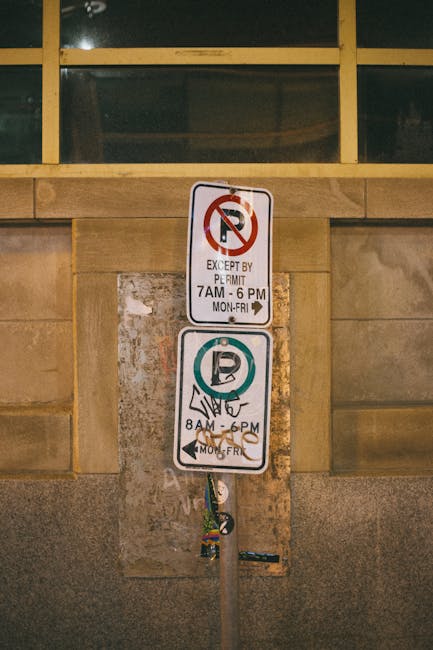
Parking permits and street access rules for Knightsbridge cleaners

If you clean homes, offices, rentals, or post-build properties in Knightsbridge, parking is never just an afterthought. The narrow streets, controlled bays, resident zones, loading restrictions, and busy one-way routes can turn a simple visit into a stressful scramble. That is exactly why understanding parking permits and street access rules for Knightsbridge cleaners matters before the van even starts moving.
This guide breaks everything down in plain English: how access usually works, what to check before arrival, how to avoid fines and delays, and how to plan a cleaner, smoother job day. Whether you are coordinating regular domestic visits, a one-off deep clean, or a time-sensitive end-of-tenancy turnaround, a little preparation goes a long way. Truth be told, in central London, the difference between a tidy schedule and a messy one is often just ten minutes and a decent parking plan.
Why Parking permits and street access rules for Knightsbridge cleaners Matters
Knightsbridge is the kind of place where access can shape the whole job. A cleaner may arrive on time, fully equipped, and still lose half an hour finding a legal place to stop. That delay affects everything: the first room starts late, the client gets frustrated, and the day's schedule can slide. Not ideal.
Parking permits and access rules matter because they influence arrival timing, equipment handling, job efficiency, and compliance. A cleaning visit is rarely just a person walking in with a cloth. Even for domestic work, there may be vacuums, mop buckets, carpet machines, steam equipment, linen bags, detergents, ladder tools, or waste to remove. If the vehicle cannot stop close enough to the property, the job becomes slower and more physically demanding.
There is also a trust angle. Clients in Knightsbridge expect tidy, discreet, professional service. If a cleaner double-parks, blocks a bay, or spends ages arguing with a wardens' patrol about an invalid permit, it does not inspire confidence. A clear access plan helps the whole service feel calm and well-run.
For businesses offering broader cleaning services, this also supports smoother operations across different job types such as domestic cleaning, office cleaning, end of tenancy cleaning, and deep cleaning. Access rules do not change the service itself, but they absolutely change how the service is delivered.
How Parking permits and street access rules for Knightsbridge cleaners Works
In practical terms, the system usually comes down to three things: where the vehicle can legally stop, how long it can stay, and whether a permit or loading exemption is needed. Knightsbridge streets may include resident bays, pay-and-display bays, loading bays, yellow line restrictions, and private forecourt or service-road access. The exact arrangement varies street by street, so assumptions are risky.
Most cleaners follow a simple process: check the address, identify the nearest legal stopping point, confirm whether the visit falls within loading times or bay restrictions, and then decide whether the job needs a permit, a parking payment, or a temporary unloading plan. Sometimes the answer is easy. Sometimes it is not. London likes to keep people guessing, to be fair.
Street access rules are not only about parking. They also cover the practical route from the vehicle to the property. For example, a cleaner may need to pass through a shared entrance, a concierge desk, a gated courtyard, a service lift, or a communal corridor. If any of that is restricted, you need to know it before arrival.
For more complex jobs, such as post-refurbishment or debris-heavy visits, access planning becomes even more important. A property booked for after builders cleaning may need extra parking time, more carrying capacity, and a clearer waste-removal plan than a routine weekly clean. Likewise, a rental turnover handled through Airbnb cleaning often leaves very little time between guests, so every minute at the kerb counts.
What cleaners normally need to check
- Whether the property sits within a controlled parking zone or permit-controlled street
- Whether loading/unloading is allowed at the expected arrival time
- Whether a bay is time-limited or resident-only
- Whether the van must remain in sight of the property
- Whether there is concierge or building management approval needed
- Whether there are height, width, or turn restrictions for larger vehicles
- Whether the cleaner can park briefly just to unload equipment, then move the vehicle elsewhere
If you are arranging regular visits, a good cleaner will usually build these details into the routine. For one-off work, it is worth spelling them out in advance. A five-minute conversation can save a 50-minute headache later. That is not an exaggeration.
Key Benefits and Practical Advantages
Getting street access right is not just about avoiding trouble. It also makes the actual cleaning better. Here are the main advantages.
| Access choice | Main advantage | Common downside |
|---|---|---|
| Legal permit or authorised bay | Predictable arrival and easier unloading | May require planning, booking, or coordination |
| Short-term loading stop | Fast drop-off for equipment | Strict time limits and close monitoring |
| Nearby off-street parking | Lower risk of penalty if planned well | Longer carrying distance |
| Managed building access | More secure and often more controlled | May depend on concierge hours or key access |
Better timekeeping. When parking is sorted, the cleaner can start properly instead of circling the block. It sounds small, but it changes the day.
Less physical strain. Carrying a vacuum, steam machine, or boxed supplies from two streets away is tiring. Close access helps preserve energy for the actual cleaning work.
Fewer interruptions. No one enjoys pausing mid-job because a warden is checking a bay or because the vehicle has to be moved. You want the clean to flow.
More professional presentation. A tidy arrival, a quick unload, and a sensible departure all help a cleaning service feel organised. That matters in Knightsbridge, where clients often notice the details.
Lower risk of avoidable costs. Penalties, extra parking fees, or lost time all eat into margins. Better access planning is simple business sense.
There is another benefit that gets overlooked: better communication. When the cleaner and client know exactly where the vehicle will stop and how access will work, the whole visit feels calmer. No back-and-forth, no guesswork, no awkward messages from the street at 8:55 in the morning.
Who This Is For and When It Makes Sense
This topic matters for a surprisingly wide range of people. It is not just for drivers or office managers. Anyone who books, delivers, or coordinates cleaning in Knightsbridge should understand the basics.
It is especially relevant for:
- Domestic cleaners working at flats, townhouses, and serviced apartments
- Teams handling regular cleaning for repeat clients
- Property managers arranging move-in cleaning or move-out cleaning
- Landlords and agents organising end-of-tenancy or changeover visits
- Business owners booking commercial cleaning for offices or premises
- Hosts needing quick, reliable turnarounds between short-stay bookings
- Specialist cleaners carrying equipment for carpets, upholstery, windows, or ovens
It also makes sense when the job has a lot of kit. A simple wipe-down is one thing; a window cleaning visit with ladders and tools, or a carpet cleaning job with heavier machinery, may require more careful planning. The same goes for sofa cleaning, rug cleaning, oven cleaning, and mattress cleaning where equipment and waste handling can be a bit more involved.
If the property has shared entrances, concierge control, or limited waiting space, this becomes less of a parking question and more of an access strategy. In some buildings, the cleaner needs a buzz-in, a key fob, a time slot, or a lift booking. In others, they just need a legal stopping place nearby and a fast handover. Not glamorous, but very real.
Step-by-Step Guidance
Here is a practical way to handle parking and street access without overcomplicating it.
- Check the address early. Do not wait until the morning of the clean. Map out the likely stopping points and any access restrictions before the team is on the road.
- Identify the vehicle type. A small car, a standard van, and a larger works vehicle face different problems. The bigger the vehicle, the more important the route and stopping point become.
- Confirm the street rules. Look for permit zones, loading areas, time-limited bays, residents' restrictions, and any obvious signage near the property.
- Ask about building access. Is there a concierge? A keypad? A loading entrance? A service lift? A long internal walk from the entrance to the flat?
- Plan the unload. Decide what needs to be brought in first and whether any equipment can stay in the vehicle until needed.
- Build in a buffer. Knightsbridge traffic and parking availability can both be unpredictable. Arriving too tightly scheduled is asking for trouble.
- Confirm who is responsible. Will the client arrange a visitor permit, or will the cleaner use paid parking, loading-only access, or a nearby alternative?
- Keep proof or notes. Save any permit reference, building instructions, or agreed access details in the job notes. It sounds dull, but dull saves time.
- Review after the visit. If access was awkward, adjust the plan next time. Small improvements add up fast.
Here is a simple rule of thumb: if the cleaner has to ask three different people where to stop, the access plan was not finished. That is usually fixable, and often with just one clearer instruction.
Expert Tips for Better Results
In our experience, the best access plans are not the most complicated ones. They are the ones that remove uncertainty. Here are a few habits that work well in Knightsbridge.
1. Treat access like part of the booking, not an add-on
When a client books house cleaning or another service, the access question should be asked early. Do not leave it until the cleaner is already on the move. A clear note about the nearest legal stop can prevent a messy first impression.
2. Keep a repeat-access profile for regular clients
For recurring customers, store the best stopping point, building contact, entry method, and any timing quirks. The second visit should be easier than the first, and the third should be almost boring. Boring is good here.
3. Match the vehicle to the job
If the job only needs a few standard tools, a smaller vehicle may be easier to place legally. If the clean involves bulky kit, choose a vehicle and parking plan that reduce carry distance. This is especially sensible for one-off cleaning where the job scope may shift from simple to heavy-duty pretty quickly.
4. Time the visit around local pressure points
School runs, commuter traffic, lunch-hour delivery surges, and evening resident demand can all change street availability. A route that works at 10:30 may be awkward at 8:15. You can feel the difference on the street; it gets noisier, tighter, more impatient.
5. Prefer written instructions for anything unusual
If there is a temporary closure, scaffold, concierge handover, or restricted entrance, write it down. People remember differently when they are busy. A written note avoids the classic "I thought you meant the side gate" moment.
One small but helpful habit is to explain access in the same language as the job. Instead of saying "parking sorted," say "the cleaner can unload for 10 minutes in the loading bay, then move to the visitor parking on the next street." Much clearer. Much less room for drama.
Common Mistakes to Avoid
Most access problems are avoidable. The trouble is, they are also very easy to repeat if nobody writes the process down.
- Assuming all Knightsbridge streets work the same way. They do not. One road may allow short loading; the next may not.
- Arriving without checking signage. A quick glance is not enough if the street is controlled or heavily restricted.
- Using a large vehicle without planning a legal stop. Bigger vans need a bigger plan.
- Forgetting building access. Parking near the address is only half the job if there is no route inside.
- Leaving permit arrangements until the last minute. That is how fines happen, or at least stressful near-misses.
- Not allowing time for unloading. A ten-minute clean start can turn into a twenty-five-minute carry-in if the vehicle is parked far away.
- Ignoring repeat patterns. If one property always causes issues, note it and fix the process for next time.
Another common slip is not matching the access plan to the service type. A routine tidy-up may need very little. A deep clean, an end-of-tenancy turnover, or an after-builders visit may need extra luggage, waste bags, and more entry time. If you treat them all the same, the schedule tends to bite back.
Tools, Resources and Recommendations
You do not need a complicated system, but you do need a reliable one. A few simple tools make access management much easier.
- Job notes or CRM fields: Store parking instructions, access codes, and the best unloading point.
- Route planning apps: Useful for checking the approach and avoiding unnecessary loops, though you should still verify street signs on arrival.
- Shared checklists: Great for teams handling multiple properties in the same day.
- Phone photo notes: A quick snap of the bay, entrance, or sign can save confusion later, provided permissions and privacy are respected.
- Client briefing templates: A short message requesting access details, concierge instructions, and parking preferences.
If you are running a cleaning business, it also helps to keep your public-facing information tidy and trustworthy. Pages like about us, health and safety policy, insurance and safety, and terms and conditions can support customer confidence when they are deciding who to hire. People often check these details when the job involves access to private homes or shared buildings. Sensible, really.
For clients who want transparent pricing or need help understanding what affects the quote, the pricing and quotes page is a useful next stop. Access complexity can influence the time needed, especially in properties where parking is tight or entry is slow.
Law, Compliance, Standards and Best Practice
Parking and street access in London should always be handled with care. Rules can change street by street, and enforcement is usually strict. Rather than guessing, the safe approach is to assume that signage, local restrictions, and building rules all matter. If a bay says loading only for a limited time, that is not a suggestion. It is a boundary.
For cleaners and cleaning businesses, good practice means working in a way that is lawful, considerate, and safe. That includes respecting permit rules, avoiding obstruction, and planning access so that equipment handling does not put staff or the public at risk. It also means thinking about manual handling. Carrying machines a long distance up steps or through narrow corridors is more tiring and can increase the chance of strain.
From a standards point of view, the biggest principle is simple: if the property, street, or building has rules, follow them. If you are unsure, ask before arrival. That is especially sensible for shared or managed buildings, where access instructions may be set by the landlord, concierge, residents' association, or building operator rather than the cleaner.
There is also a customer-care side to compliance. A tidy, respectful arrival helps protect neighbours, building staff, and the client's own schedule. In a place like Knightsbridge, where many homes sit close together and streets can feel busy even on a quiet morning, that courtesy matters more than people admit.
Options, Methods, or Comparison Table
Not every job should be handled the same way. The right parking and access method depends on the property, the cleaning type, and the vehicle. Here is a useful comparison.
| Method | Best for | Pros | Watch-outs |
|---|---|---|---|
| Pre-arranged permit or authorised parking | Repeat visits, planned jobs, managed buildings | Predictable, efficient, professional | Needs coordination and correct use |
| Short unloading stop with off-street parking after | Homes with limited kerb space | Good for quick equipment transfer | Time pressure, may require a second move |
| Nearby paid parking | One-off jobs and flexible schedules | Simple and easy to arrange | Costs can add up and may be farther away |
| Building-managed access only | Flats, portered blocks, private developments | Controlled and secure | Dependent on access hours and staff availability |
If you are choosing between these, ask two questions. First: how far is the equipment going to be carried? Second: how likely is the street to be busy when the cleaner arrives? The answer to those two questions usually points to the best option. Not always, but often enough.
Case Study or Real-World Example
Consider a typical weekday morning in Knightsbridge. A cleaner is booked for a fourth-floor apartment, with a short list of tasks: general room refresh, bathroom clean, kitchen detailing, and a quick hallway tidy. The property has a shared entrance, no dedicated forecourt, and limited waiting space outside. If the cleaner turns up expecting to stop right by the door, they may end up circling while a delivery van blocks the closest bay.
Now compare that with a better-planned visit. The client has already confirmed the nearest legal stop, the building manager has shared the entrance code, and the cleaner arrives with only the equipment needed for that job. The vehicle is unloaded quickly, then moved on if necessary. The cleaner starts on time, the resident is not left waiting, and there is no awkward street-side uncertainty. The whole visit feels smoother, quieter, less rushed.
That is the real value here. Not just avoiding trouble, but making the service feel composed. A small thing, maybe. Yet those small things are often what clients remember most. The absence of hassle is memorable in its own way.
Practical Checklist
Use this checklist before every Knightsbridge cleaning visit where parking or access might be tricky.
- Confirm the full address and entrance details
- Identify the nearest legal stopping point
- Check for permit-only, loading-only, or time-restricted bays
- Ask whether the building needs concierge approval or a code
- Note any lift, corridor, or service entrance instructions
- Match the vehicle size to the access conditions
- Allow extra time for unloading and walking equipment in
- Prepare any special kit needed for the service type
- Store the access notes for repeat visits
- Review what worked and what did not after the job
Expert summary: If parking and access are sorted early, the cleaning itself becomes easier, quicker, and more reliable. If they are not, even a great cleaner can look disorganised. The planning is part of the service.
Conclusion
Parking permits and street access rules for Knightsbridge cleaners are not glamorous, but they are absolutely central to smooth service. A clean home or workplace starts with a clean arrival plan: legal stopping, clear entry instructions, enough time to unload, and no guesswork once the cleaner reaches the street.
Get those basics right and everything else tends to follow. Jobs start on time, equipment moves safely, clients feel looked after, and the day runs with far less friction. That is especially valuable in Knightsbridge, where access can change from one address to the next and even a short delay can ripple through the schedule.
If you are booking or delivering cleaning work in the area, the smartest move is simple: plan access as carefully as you plan the clean itself. It saves money, saves time, and saves stress. And honestly, that is worth a lot on a busy London day.
Get a free quote today and see how much you can save.
For related service planning, you may also want to review communal area cleaning if your building has shared spaces, or recycling and sustainability if waste handling and disposal are part of the job. Small details, but they matter.
Frequently Asked Questions
Do Knightsbridge cleaners always need a parking permit?
Not always. Some jobs can be handled with short loading access, nearby paid parking, or building-managed entry. The right answer depends on the street, time of day, vehicle size, and the building's own rules.
What should I ask the client before the cleaning visit?
Ask where the vehicle can legally stop, whether the street is permit controlled, whether there is a loading bay, and whether the building needs a code, concierge check-in, or lift booking. A few clear questions prevent most problems.
Are cleaning vans treated differently from private cars?
Sometimes, yes, but you should never assume special treatment. The vehicle still has to follow the street rules shown on signs and any local restrictions. If a bay is not suitable, it is not suitable.
What happens if a cleaner cannot park near the property?
The cleaner may need to use a nearby legal space, carry equipment from farther away, or adjust the job timing. That is why access planning matters so much in central London.
Can a cleaner unload briefly in a restricted street?
Only if the specific street rules allow loading or stopping for that purpose. Brief unloading is not the same as free parking. The sign and local conditions decide what is permitted.
How far in advance should access be arranged?
As early as possible, especially for busy streets or larger jobs. Same-day planning can work for simple visits, but regular clients and more complex cleans benefit from advance instructions.
Does access planning matter for domestic cleaning as much as commercial cleaning?
Yes. Commercial jobs may involve bigger teams and more equipment, but domestic visits in Knightsbridge can be just as difficult if parking is tight or the building access is awkward.
What if the property is in a managed block with concierge access?
Then the cleaner should know the entry process, concierge hours, and any rules about service lifts or loading areas. Managed buildings are often easier once the process is understood, but they can be frustrating if the details are missing.
Do one-off cleans need more access planning than regular cleans?
Often, yes. One-off jobs can involve heavier equipment, more varied tasks, and less familiarity with the property. Regular cleans usually benefit from a known routine and repeated access notes.
Can parking problems affect the quality of the clean?
Absolutely. If the cleaner arrives late, has to carry equipment too far, or spends time dealing with parking issues, the visit can feel rushed. A smooth arrival gives the cleaner a better chance of delivering the best result.
What is the biggest mistake people make with Knightsbridge access rules?
Assuming that one street works like the next. Knightsbridge is full of small differences: bay lengths, loading windows, resident restrictions, and building-specific rules. Those differences matter more than people expect.
Where can I find more information about services and policies?
You can explore service details such as deep cleaning, move-out cleaning, and window cleaning, along with helpful company pages like privacy policy and payment and security.